A River of Turbulent Waters
The St. Lawrence River is one of the world’s largest and most powerful rivers. Spanning 1,197 kilometers, it originates in the Great Lakes and flows northeast, emptying into the Gulf of St. Lawrence and the Atlantic Ocean.
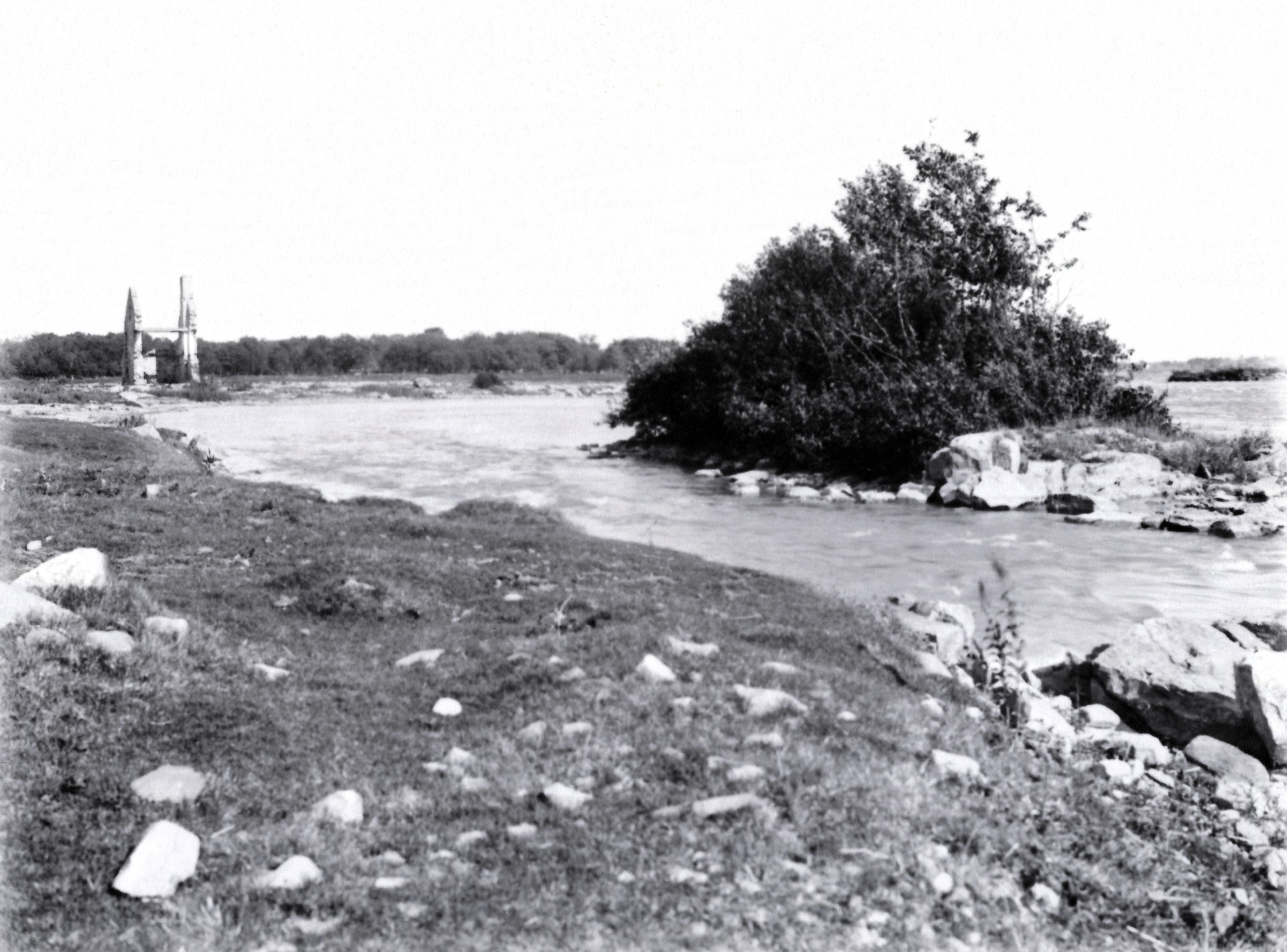
Between the towns of Les Coteaux and Pointe-des-Cascades, the river narrows and cascades through a series of closely spaced rapids, dotted with small islands and hidden shoals.
These rapids were formed by geological processes dating back over 10,000 years, when the Champlain Sea receded and gave rise to the St. Lawrence River.
Comprising four distinct drops, the rapids create a descent of 25.6 meters over a 12.8-kilometer stretch, culminating in the widening of Lake St. Louis, where the river meets its largest tributary, the Ottawa River.
-egcc5si.png?alt=media&token=3cc1b8f6-3a75-44fd-ac3e-65b9c367949e)