
Welcome to the Grand Falls Regional Municipality
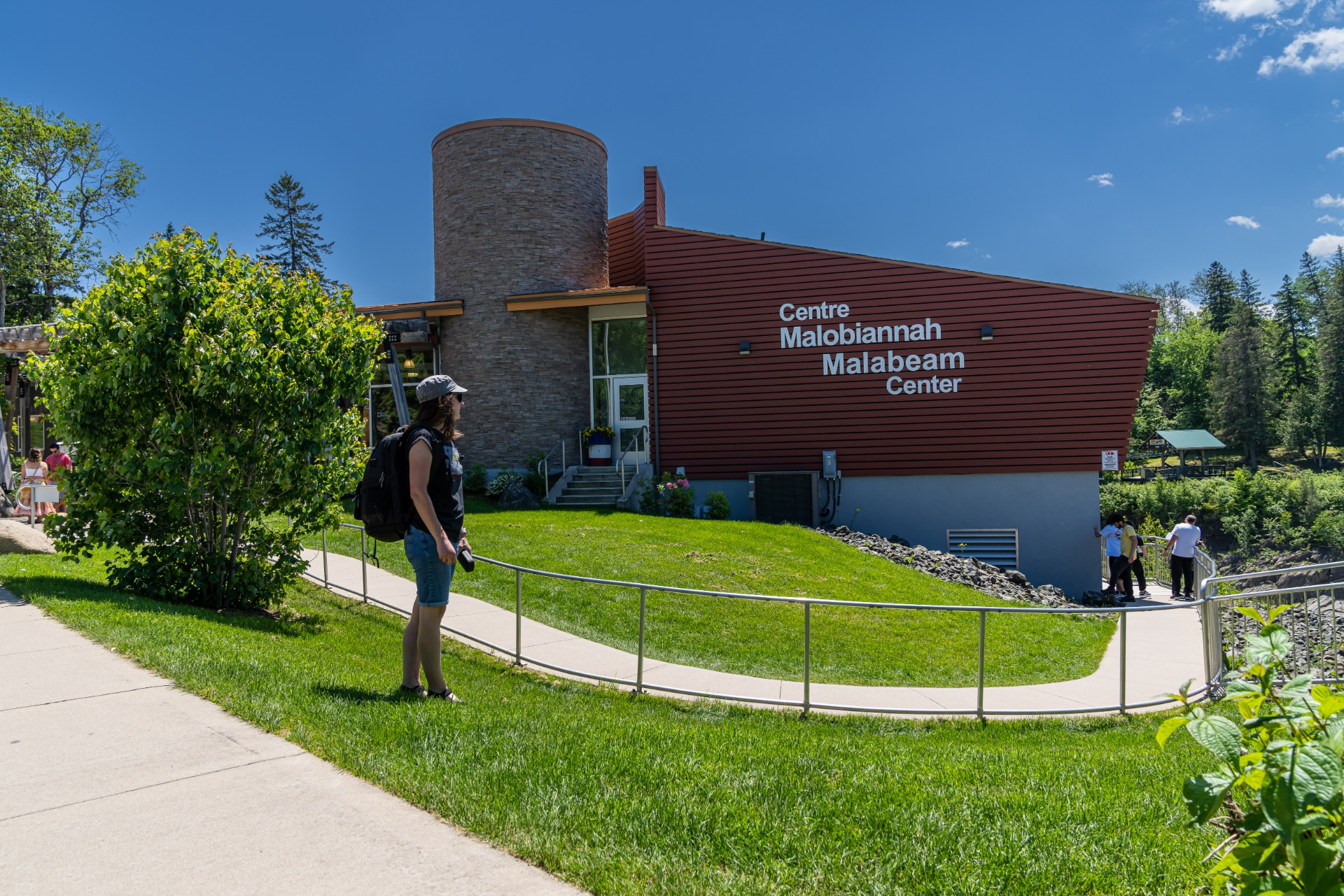
You are at the Malabeam Center
Preamble
Grand Falls is a crossroads of many cultures. Acadian, French-Canadian, Irish, Scottish, and English Loyalists pioneers have contributed to the growth of the community since the 19th century.
The region's bilingual nature fosters a diverse community, with each season bringing its own set of unique activities designed to offer memorable experiences year-round.
Grand Falls is a safe, family-oriented community recognized for its high quality of life and progressive outlook. Its commitment to providing top-quality services and infrastructure attracts many visitors every year.
Do you know how many times the name of the Grand Falls Regional Municipality has changed?
Contenu Giphy externe bloqué
Pour voir le contenu de Giphy, vous devez consentir au stockage de cookies tiers et au traitement des données par Giphy. Consultez notre Politique de confidentialité pour plus d'informations.
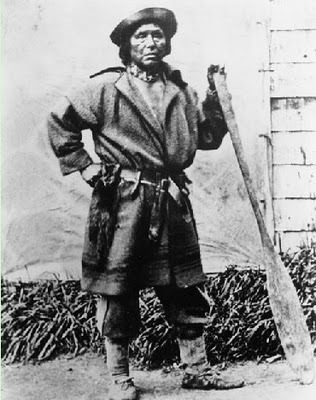
The Wolastoqiyik Wahsipekuk First Nation, formerly known as the Maliseet of Viger First Nation was the first to live in the region. The Indigenous name given to Grand Falls was "Chicanekapeag," which means ''Giant Destroyer''.
You can learn more about the Wolastoqiyik Wahsipekuk First Nation at stop no. 3, located near the sculpture Legend of Malabeam.
In the mid-1700s, Grand Falls was named ''Long Sault'' by the French population.
However, in 1755, the Deportation of the Acadians (also known as the “Great Upheaval”) led to a significant decline in the French population, and in 1763 the region officially came under British control with the signing of the Treaty of Paris.
William MacBean George Colebrooke
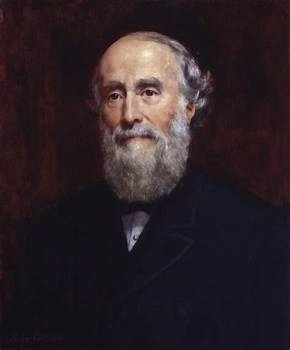
Between 1842 and 1870, Grand Falls was known as ''Colebrooke'', in honour of William MacBean George Colebrooke, who served as governor of the province from 1841 to 1847.
In 1896, the town of Grand Falls was officially incorporated (see stop no. 13 : ''Town Hall'' for more information), taking its name from the impressive falls.
It was later given the bilingual name Grand-Sault/Grand Falls in 1986
Finally, in January 2023 Grand Falls underwent yet another name change, becoming the Grand Falls Regional Municipality, following a local governance reform.
The Grand Falls Regional Municipality now includes the neighborhoods of Saint-André, Drummond, and Portage.

Population
Before the government reform of January 2023, the Grand Falls population was 5,220 according to the 2021 Census. The linguistic makeup at that time was approximately 80% Francophone, 15% Anglophone, 3% Allophone, and 2% Indigenous.
Since the expansion of its boundaries, the Grand Falls Regional Municipality has approximately 11,000 residents. Its linguistic profile remains comparable to that observed in the 2021 Census for the entities that comprise it, with a predominantly Francophone population, as well as a smaller Anglophone and Allophone presence.
Economy
Although local agriculture includes certain products such as wheat, buckwheat, soybeans, and canola, the potato sector is clearly the cornerstone of the local economy.
You can find additional information about the region's agriculture at stop no. 18, “Farmers' Market / Museum / Burgess Mill / Agriculture.”
Forestry is also a key player in the Grand Falls' economy. In fact, several varieties of wood, such as maple, yellow birch, red oak, hardwoods, spruce, jack pine, balsam fir, white cedar, hemlock, poplar, and white pine, are exported.
Welcoming thousands of tourists every year, this charming municipality offers a magnificent views of the seasonal falls, numerous shops, restaurants, flower gardens, rest areas, and a rich historical heritage.
Local products can also be purchased at the Farmers' Market every Saturday from May to October between 8am and 1pm.
Each year, Grand Falls hosts the Truck and Tractor Pull in early June, the Regional Potato Festival in late June, as well as FEARFest in late October.
The Grand Falls Regional Municipality wishes you a pleasant stay with us and hopes you enjoy the interactive QR code tour!
Grand Falls: a small detour in the heart of an unexpected landscape!
Contenu GoogleMaps externe bloqué
Pour voir le contenu de GoogleMaps, vous devez consentir au stockage de cookies tiers et au traitement des données par GoogleMaps. Consultez notre Politique de confidentialité pour plus d'informations.