

Hurlan Dempsey
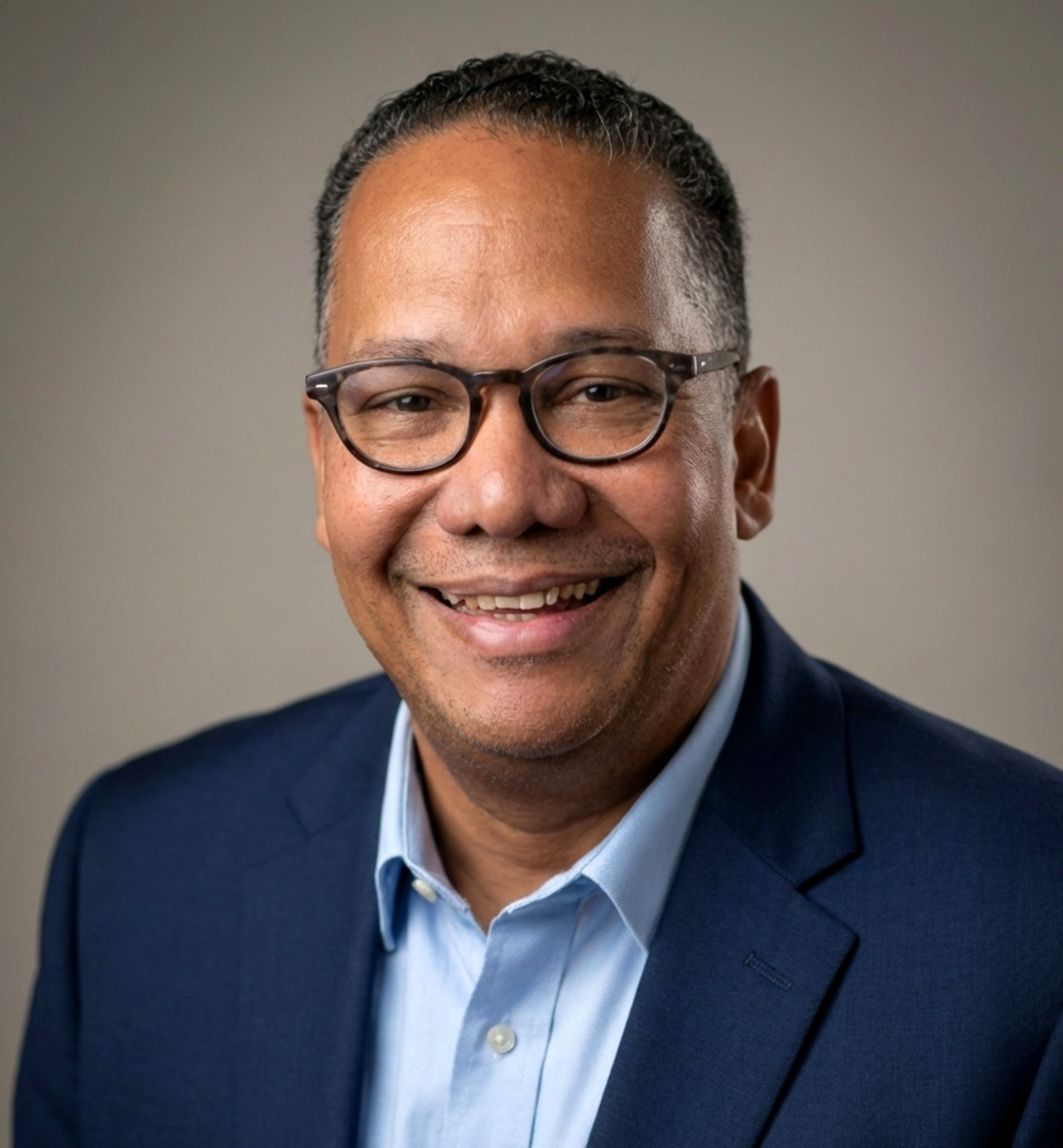
“Don’t ever be afraid to speak what you feel... they can never take away what you contribute.”
— Hurlan Dempsey
About
Hurlan Dempsey is a lifelong Oklahoma City resident whose story reflects the lived experience of a family deeply rooted in civil rights activism, ministry, and community leadership.
Born in New York City in 1958, Dempsey spent his early childhood in Harlem, where his father, Reverend Oberia Dempsey, was an active civil rights leader, minister, and community advocate. Through his father’s work, the Dempsey family was connected to influential figures, institutions, and movements shaping the national civil rights landscape.
After moving to Northeast Oklahoma City as a child, Dempsey grew up in a community defined by strong family networks, neighborhood institutions, and collective care. His older brother, Wayne Dempsey, became a leading student activist during the era of school desegregation, organizing protests, participating in boycotts, and later serving in public office.
While not at the forefront of activism himself, Dempsey offers a critical perspective as a witness—documenting how civil rights movements were experienced within families, neighborhoods, and everyday life.
His Story
Hurlan Dempsey’s life moves between two centers of Black history: Harlem and Northeast Oklahoma City.
In New York City, his early years were shaped by his father’s ministry and activism. As a Baptist minister, Reverend Oberia Dempsey worked within Harlem’s churches, specifically at Abyssinian Baptist Church under Adam Clayton Powell Jr., and community organizations, contributing to social programs, anti-drug efforts, and neighborhood advocacy. Through him, the family was connected to a broader civil rights network that extended across the country.
After relocating to Oklahoma City with his mother’s family, descendants of the Edwards family, Dempsey became immersed in the social and cultural life of the Northeast side—a community sustained by churches, schools, small businesses, and recreation centers.
During the late 1960s and 1970s, that community became a site of major change.
Through his brother Wayne and cousin James Johnson, Dempsey witnessed:
- Student organizing and school boycotts
- The Oklahoma City sanitation workers strikes
- Marches and protests at the State Capitol
- Community meetings held in homes and neighborhood centers
One of the central gathering spaces during this time was the: Walnut Street Cultural Center
Where students organized, gathered, and, in moments of tension, faced police intervention.
Dempsey recalls how activism extended beyond protest lines and into everyday life. When students were suspended or displaced during demonstrations, families—including his own—provided food, shelter, and support.
“We weren’t just watching it—we were living it,” his story suggests.
As desegregation intensified, Dempsey experienced forced school busing firsthand. Assigned to U.S. Grant High School, he endured hostility, violence, and racial tension during the early years of integration.
“It was rough... but it got better.”
Despite these challenges, he found support in educators and mentors who helped students navigate an unfamiliar and often unwelcoming environment. Over time, relationships formed, tensions eased, and moments of progress emerged—including the election of the school’s first Black student council president.
Beyond school, Dempsey’s memories center on the everyday life of his neighborhood: Recreation centers, parks, local restaurants, and family businesses formed a network of care and connection. His grandmother’s café, neighborhood gathering spaces, and his mother’s work in the Parks and Recreation Department all contributed to a strong sense of place and belonging.
His story captures not only the struggle for civil rights, but the systems that sustained Black life alongside it.
Events
Oklahoma City School Desegregation & Busing (1970s)
Experienced reassignment to U.S. Grant High School and the challenges of integration.
Classen High School Student Boycotts
Witnessed organizing efforts led by his brother and peers.
Oklahoma City Sanitation Workers Strike
Observed community and youth involvement in labor activism.
Civil Rights Movement (National Context)
Connected through his father’s work in Harlem.
Locations
New York City (Harlem)
Early childhood home; center of his father’s ministry and civil rights work.
Abyssinian Baptist Church (Harlem)
His father served under Adam Clayton Powell Jr
Northeast Oklahoma City
Primary community of upbringing, defined by strong neighborhood networks.
Frederick A. Douglass High School
Family and community institution tied to education and activism.
Classen High School
Site of student protests and boycotts led by his brother.
U.S. Grant High School
Location of his own experience with desegregation and busing.
Walnut Street Cultural Center
Community gathering space during protests and organizing efforts.
Washington Park
Recreation and community site connected to his mother’s work.
Lincoln Center & Bethlehem Center
Key neighborhood spaces for youth engagement and community life.
Oklahoma State Capitol
Site of student marches and protest demonstrations.
Paradise Café
Family-operated café and neighborhood gathering place.
Contributions
- Provides a firsthand account of civil rights activism as experienced within family and community life.
- Documents the impact of school desegregation and busing on Black students in Oklahoma City.
- Preserves the memory of neighborhood institutions that sustained Black communities.
- Offers insight into inter-generational activism within the Dempsey family.
In His Own Words
- “Don’t ever be afraid to speak what you feel.”
- “They can never take away what you contribute.”
- “It was rough... but it got better.”
- “We had each other—that’s what mattered.”
Archival Materials
- Oral history interview with Hurlan Dempsey.
- Photographs and records related to Oklahoma City school desegregation.
- Materials connected to the Walnut Street Cultural Center.
- Family records and documentation related to Reverend Oberia Dempsey’s work in Harlem.
- Community documentation of Northeast Oklahoma City recreation centers and neighborhood life.
Legacy
Hurlan Dempsey’s story expands the narrative of civil rights history by centering those who lived alongside the movement, rather than leading it publicly.
His experience reveals:
- The role of family in sustaining activism
- The importance of neighborhood institutions
- The lived realities of desegregation beyond policy
- The everyday resilience of Black communities
Through his perspective, history is not only remembered through marches and speeches, but through homes, schools, and the quiet systems of care that held communities together.
His story ensures that the full landscape of the civil rights era—including those who witnessed, supported, and endured it—is preserved.