

Jessilyn A. Hall-Head
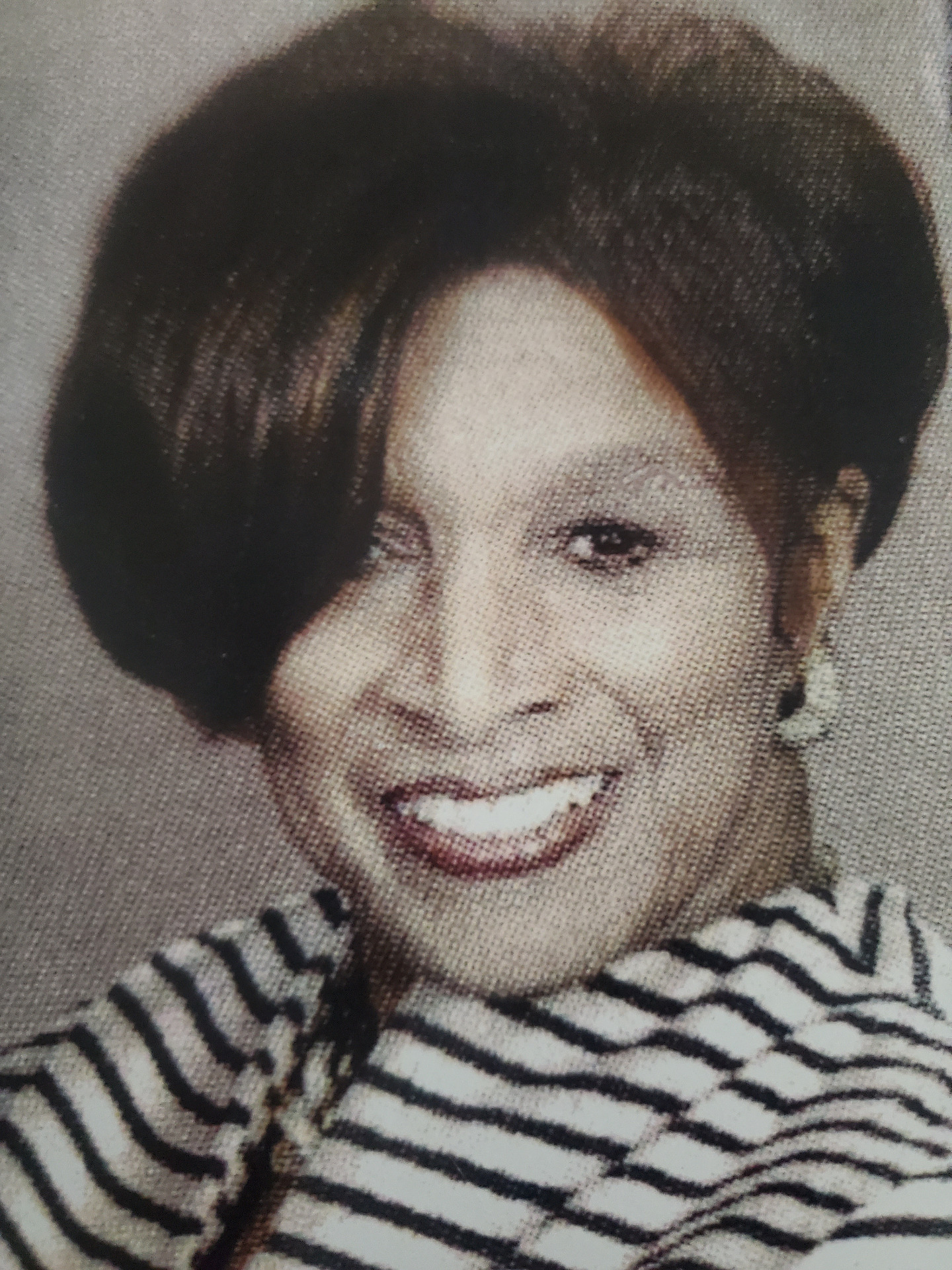
“Our community is our community... and it’s broadened because we’ve broadened... and we share it with lots of folk different than us.”
— Hall-Head
About
Jessilyn A. Hall-Head’s narrative offers a powerful lens into the interconnected networks of leadership, resilience, and quiet resistance that shaped Oklahoma City’s Black community during segregation and beyond. Her father, Ira D. Hall Sr., played a critical role in addressing systemic inequities within segregated schools. Recognizing the disparity in resources between Black and white institutions, he employed strategic and non-confrontational methods to advocate for change. One notable approach involved inviting school board members to dine in Black schools, where they experienced firsthand the inadequate conditions—cracked dishes, mismatched utensils, and worn materials—provided to Black students. These efforts led to incremental but meaningful improvements in funding and resources.
Her Story
Jessilyn A. Hall-Head’s story is deeply rooted in a legacy of education, civic leadership, and community-building that spans generations in Oklahoma and beyond. As the youngest child of Ira D. Hall Sr. and Ruby Hibler Hall, she was raised in a household where excellence, service, and integrity were not taught through instruction but modeled daily. Her father, of Chickasaw heritage, rose from a childhood marked by loss and hardship to become a pioneering educator and administrator, eventually serving as superintendent of segregated Black schools and later as assistant superintendent within Oklahoma’s broader school system. Her mother, a speech therapist turned educational leader, broke barriers as a member and eventual chair of the Oklahoma State Board of Regents and as a founding leader within the Urban League.
Together, her parents cultivated a home that functioned as both a sanctuary and a hub of civic engagement. Conversations about education, equity, and community progress unfolded regularly around Jessilyn and her siblings, shaping their understanding of responsibility and possibility. This environment produced a family of high achievers: siblings who became educators, administrators, and national leaders, including her brother Ira D. Hall Jr., a Stanford graduate and influential business leader whose work in housing and corporate leadership left a national impact.
Jessilyn’s own upbringing was marked by both privilege and challenge. As one of the students who integrated Northeast High School in Oklahoma City, she experienced firsthand the tensions of desegregation, from organized student resistance to institutional inequities. Yet, guided by her parents’ example, she and her siblings navigated these spaces with resilience, dignity, and a commitment to bridge-building rather than division. Whether through music, academics, or social engagement, Jessalyn learned to move fluidly between communities, embodying her family’s belief that meaningful change happens through both participation and presence.
Throughout her life, Jessilyn has carried forward this legacy of engagement. Her involvement in church, civic organizations, and cultural institutions reflects a deeply held belief that community is expansive and shared. Rather than viewing service as obligation, she approaches it as a natural extension of her values—a continuation of the lessons she absorbed simply by watching her parents live with purpose. In her words, she and her family are “seed gatherers,” collecting knowledge, relationships, and opportunities, and passing them forward so others may grow.
Events
Integration of Northeast High School
Hall-Head is identified as one of the students who integrated Northeast High School in Oklahoma City, navigating desegregation tensions firsthand.
Youth Involvement In Civil Rights Movement
The Hall siblings were active participants in the NAACP, Jack and Jill, and various church-led initiatives, carrying these lessons into their own professional lives as adults.
Housing Integration Legal Efforts
Ira D. Hall Sr. utilized his background in real estate to challenge discriminatory housing practices. He was involved in legal efforts that reached the Supreme Court, working alongside figures like Thurgood Marshall to dismantle barriers preventing Black families from living in certain neighborhoods.
Black Educational Leadership Under Segregation
Ruby Hibler Hall was a speech therapist and a trailblazing leader who held prominent positions in state governance and community organizations. She served as a member and eventual chair of the Oklahoma State Board of Regents, was a founding leader within the Urban League in Oklahoma City, and she founded the National Grandparents Academy.
Locations
Northeast High School (OKC)
Hall-Head was one of the students who integrated Northeast High School in Oklahoma City. During this time, she experienced organized student resistance and institutional inequities. Despite the hostility, she and her siblings navigated the school with resilience.
Chickasaw Nation / Idabel, Oklahoma
Through her father’s Chickasaw ancestry, Hall-Head maintains a connection to an important aspect of her family’s cultural and historical identity that helped shape her understanding of heritage and perseverance.
Contributions
- Ira D. Hall Sr.'s advocacy for equal school resources laid the foundation for the ongoing initiative for public school equity.
- Ruby Hall’s role on the Oklahoma State Board of Regents and creation of the Urban League and the National Grand cemented the Hall family as vital civic leaders in Oklahoma City.
- Ira D. Hall Sr. utilized his background in real estate to challenge discriminatory housing practices. He was involved in legal efforts that reached the Supreme Court.
In Her Own Words
- “Sometimes we would go to a meeting or have a meeting at our home, and we'd be sitting on the steps listening… you didn’t know that you were learning these lessons, but you were seeing them in action.”
- “My parents never once sat down and said, ‘These are the values’… they lived in such a way that it influenced us.”
- “To those to whom something is given, something is expected in return.”
- “I do it because it’s natural. You help people.”
- “If you know better, do better—and when you know better, share.”
- “They built community in our house.”
Archival Materials