

A Heritage Gem
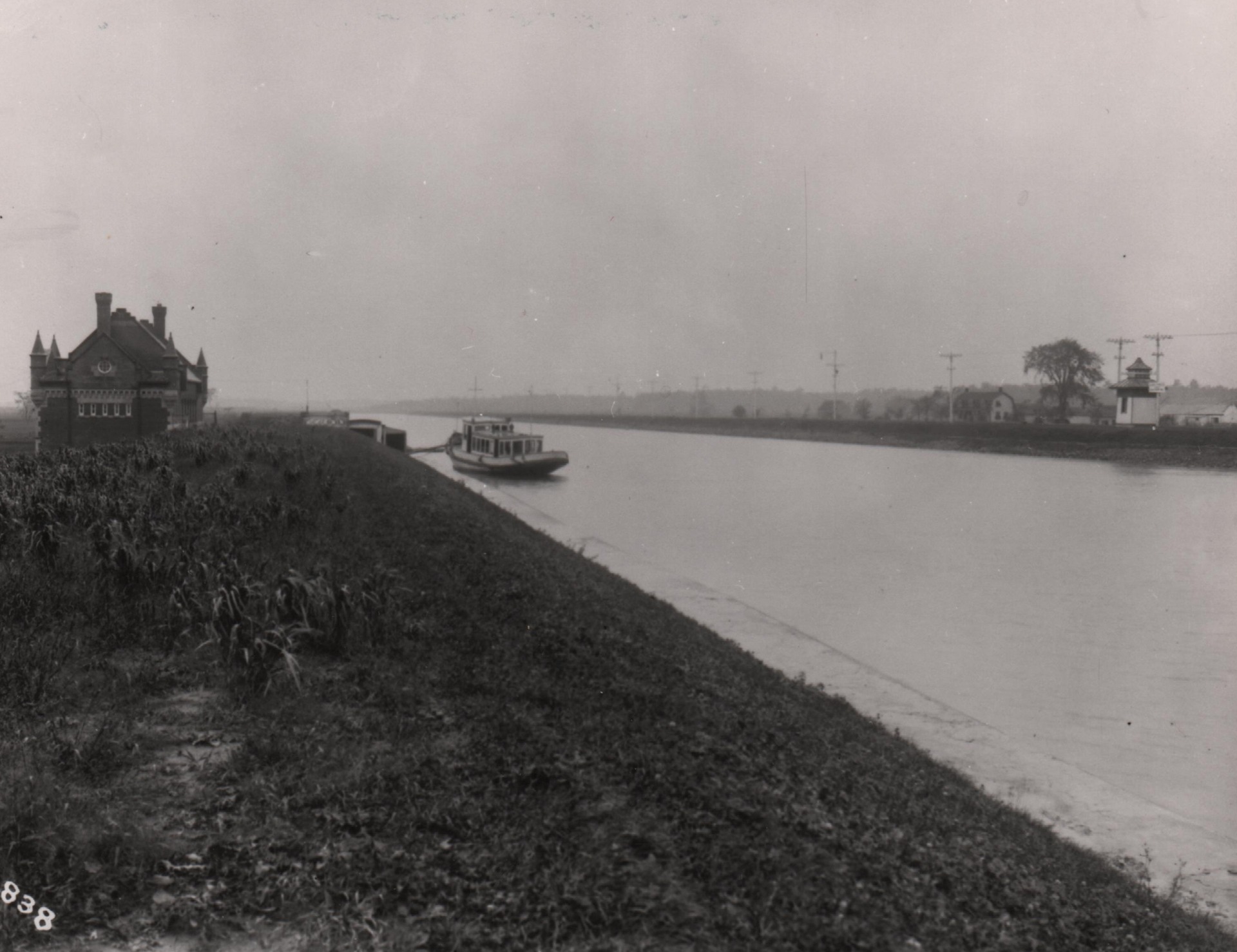
The old hydroelectric plant in Les Cèdres ceased operations when the Soulanges Canal closed. The building remained abandoned until 1966, when sculptor Armand Vaillancourt (b. 1929) transformed it into a workshop.
In 1980, artist Reynald Piché (1929–2015) signed an agreement with Quebec’s Ministry of Transport, which now owned the site, to use it as both a residence and an artist’s studio.
In 1984, he successfully petitioned Quebec’s Ministry of Cultural Affairs (now the Ministry of Culture and Communications) to have the building restored and designated as a historic monument. However, in 1995, a dispute between the parties led to the termination of the lease, and the building once again became vacant.
Today, the former power plant is recognized as a classified heritage building for its historical and architectural significance. Thus, legal protection applies to both its interior and exterior, which features exceptional characteristics.
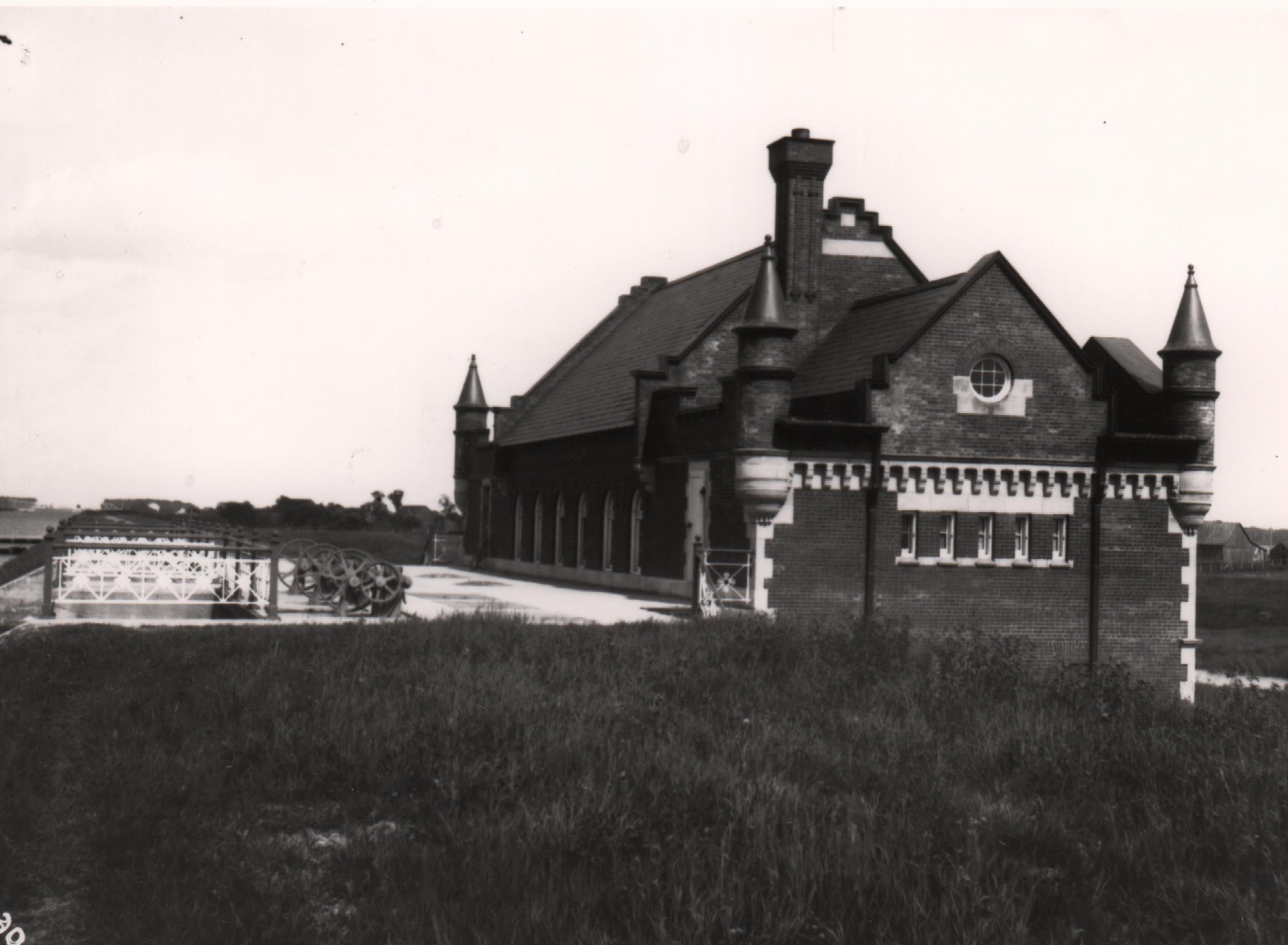
This red-brick industrial building, rectangular in shape and two-and-a-half stories high, consists of a central structure with two lateral wings. The central section housed the machinery room, the west wing accommodated the supervisor, and the east wing served as a storage area. The entire structure is topped with gabled roofs.
Its château-style exterior design is characterized by the following features:
- roof gables,
- pediments adorned with arcading,
- turrets (small towers) topped with conical copper roofs,
- machicolated cornice (small gallery),
- as well as small round-arched windows and bas-reliefs.
It is the only hydroelectric power station in North America built in the "château style."
-3vlxohk.png?alt=media&token=f28b675a-05de-4091-9df4-9d208d5dd244)