
Bigger and Bigger Ships
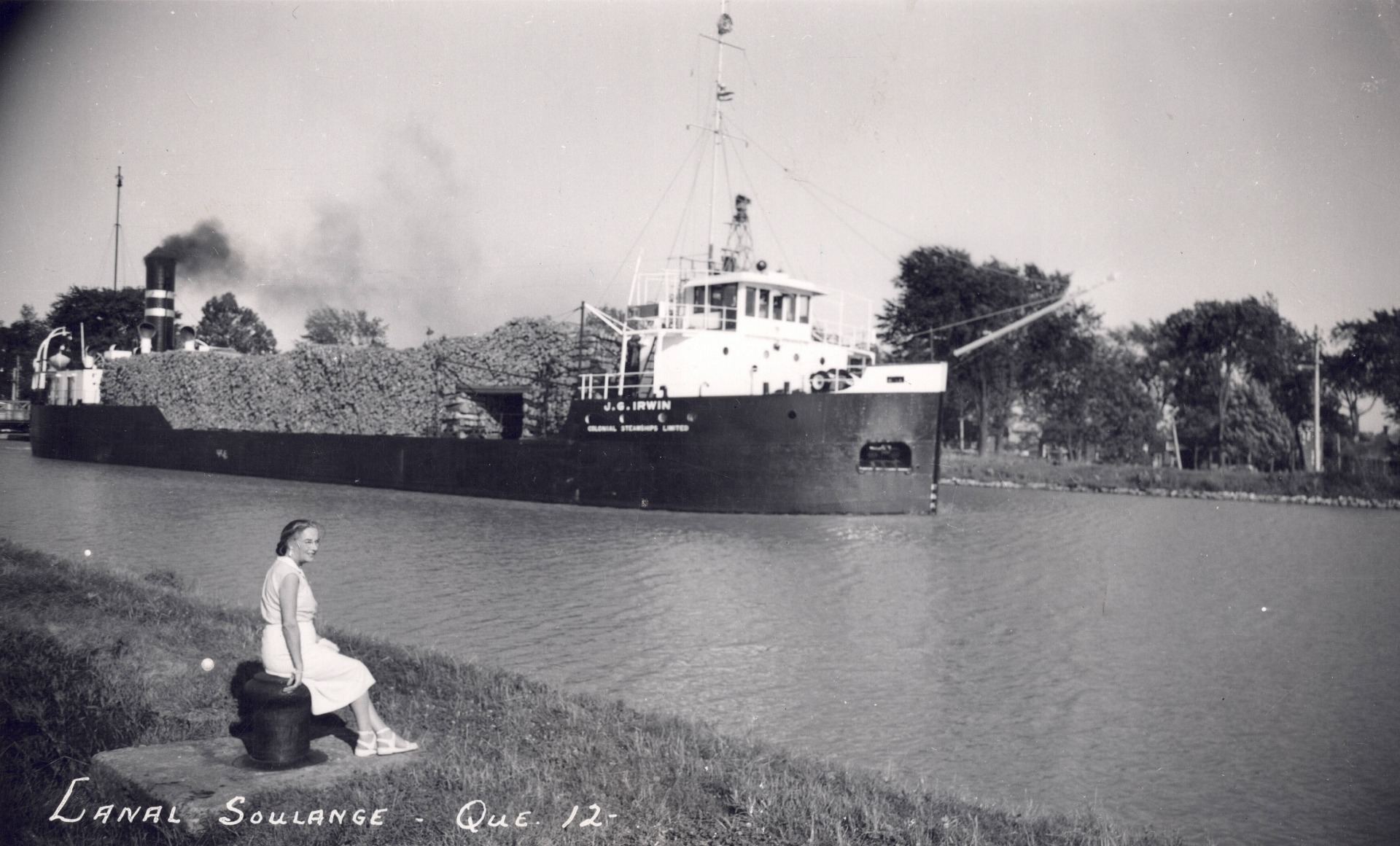
With technological advancements and increasing maritime traffic, shipbuilders began constructing vessels capable of traveling between the Great Lakes and major European ports. These new ocean-going ships, including oil tankers, started using the canal more frequently.
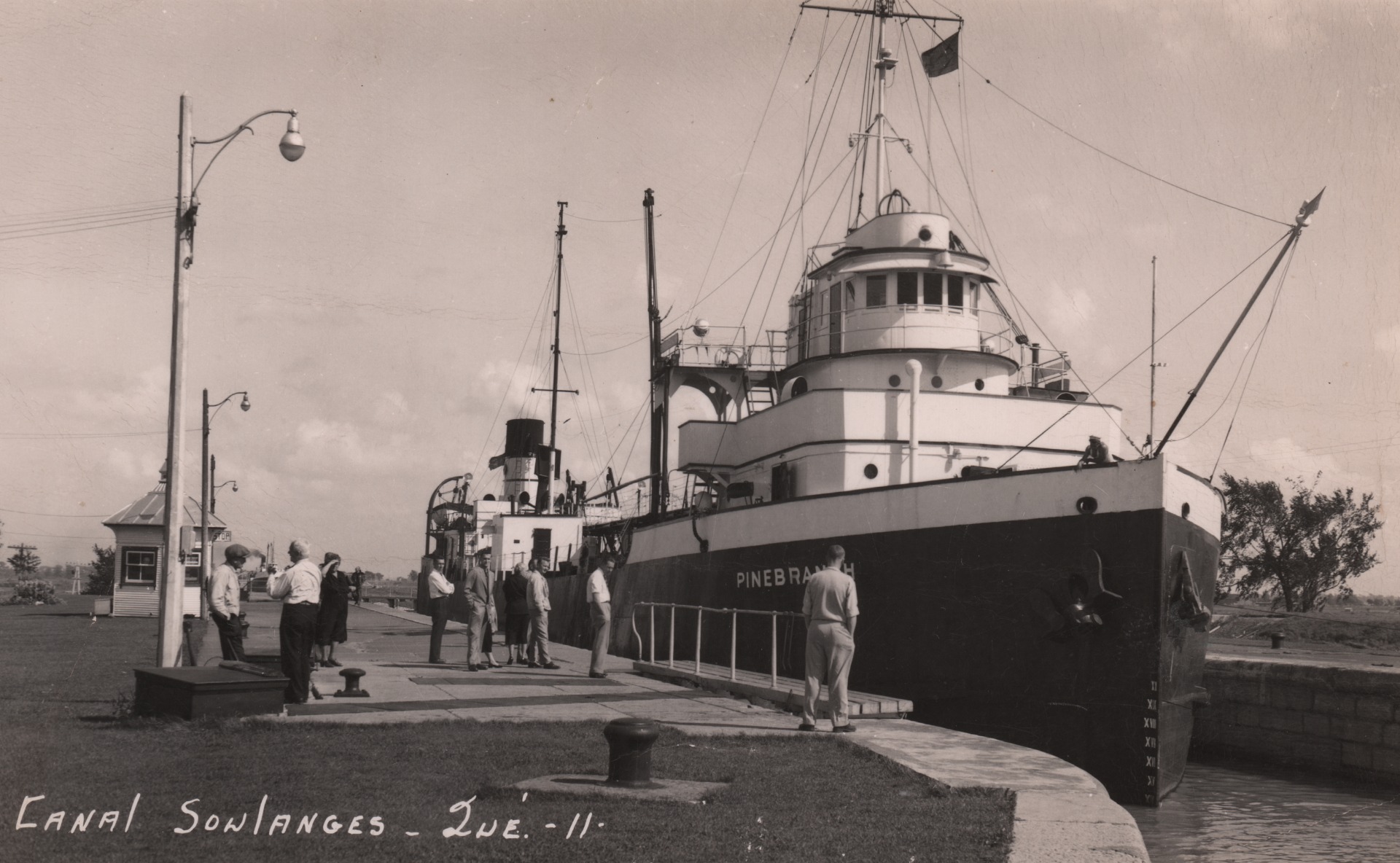
At the end of the 1950s, although these imposing ships crossed the canal nearly 140 times a year, their passage became limited due to their excessive size. Gradually, the duration of passage through the locks increased.
Their growing dimensions led to longer lock passage times, as staff had to slow operations to avoid accidents.
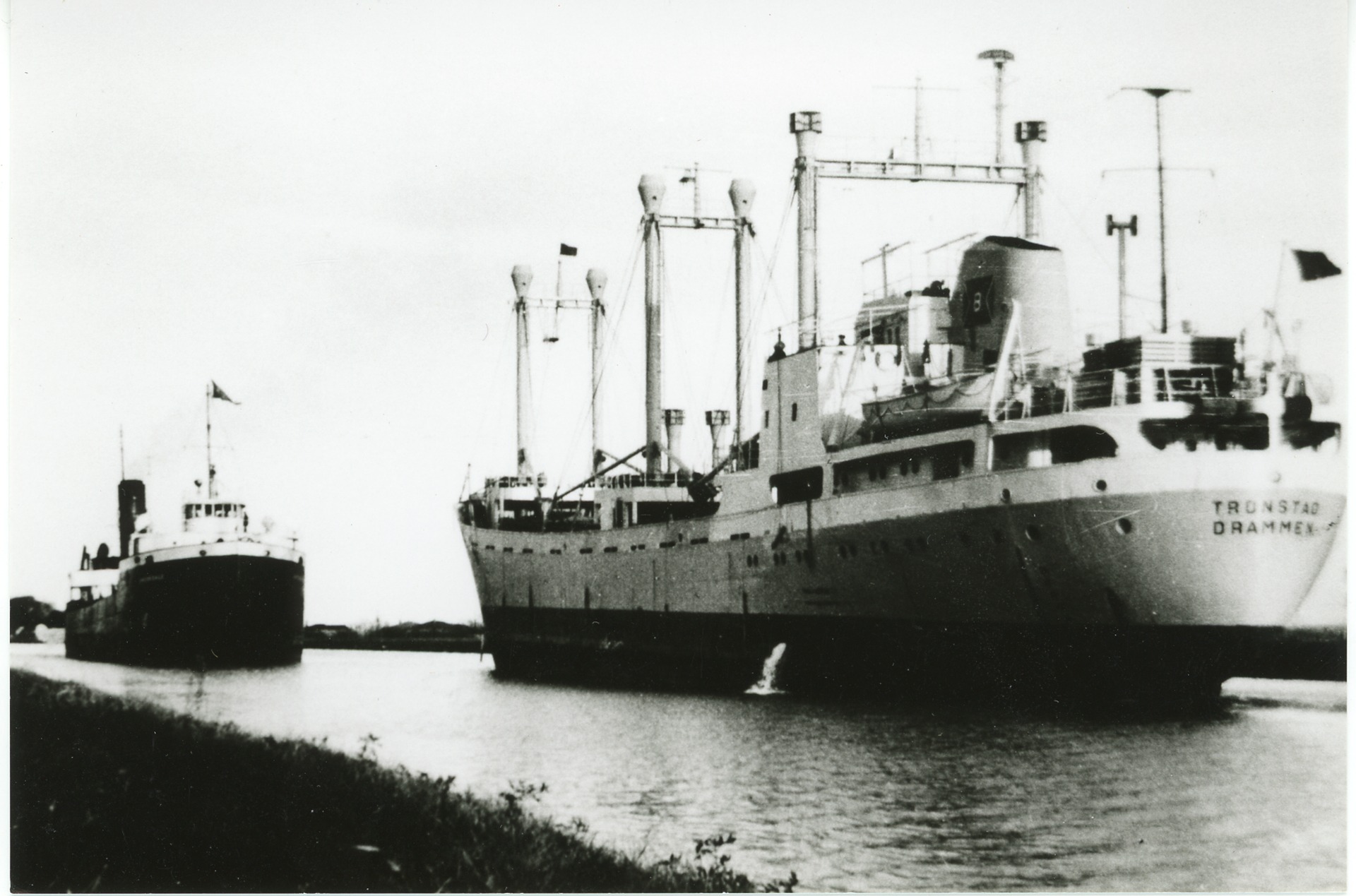
The arrival of these early ocean-going ships signaled the impending closure of the Soulanges Canal, as its infrastructure was becoming increasingly inadequate to accommodate these giant vessels and meet their needs.
-3vlxohk.png?alt=media&token=f28b675a-05de-4091-9df4-9d208d5dd244)