

Goods in transit
Although a few passenger ships traveled through the Soulanges Canal, the majority of traffic consisted of cargo vessels. By the late 19th century, travelers had quickly adopted rail transport for its speed and comfort.
The cargo passing through the canal's locks reflected the expansion of the country's trade network and the economic and political history of the first half of the 20th century. When the canal first opened, wheat was one of the most commonly transported goods.
Between 1900 and 1930, the development of grain farming in the Canadian Prairies—where wheat was highly sought after on European markets—dominated trade, accounting for nearly 50% of maritime transport.
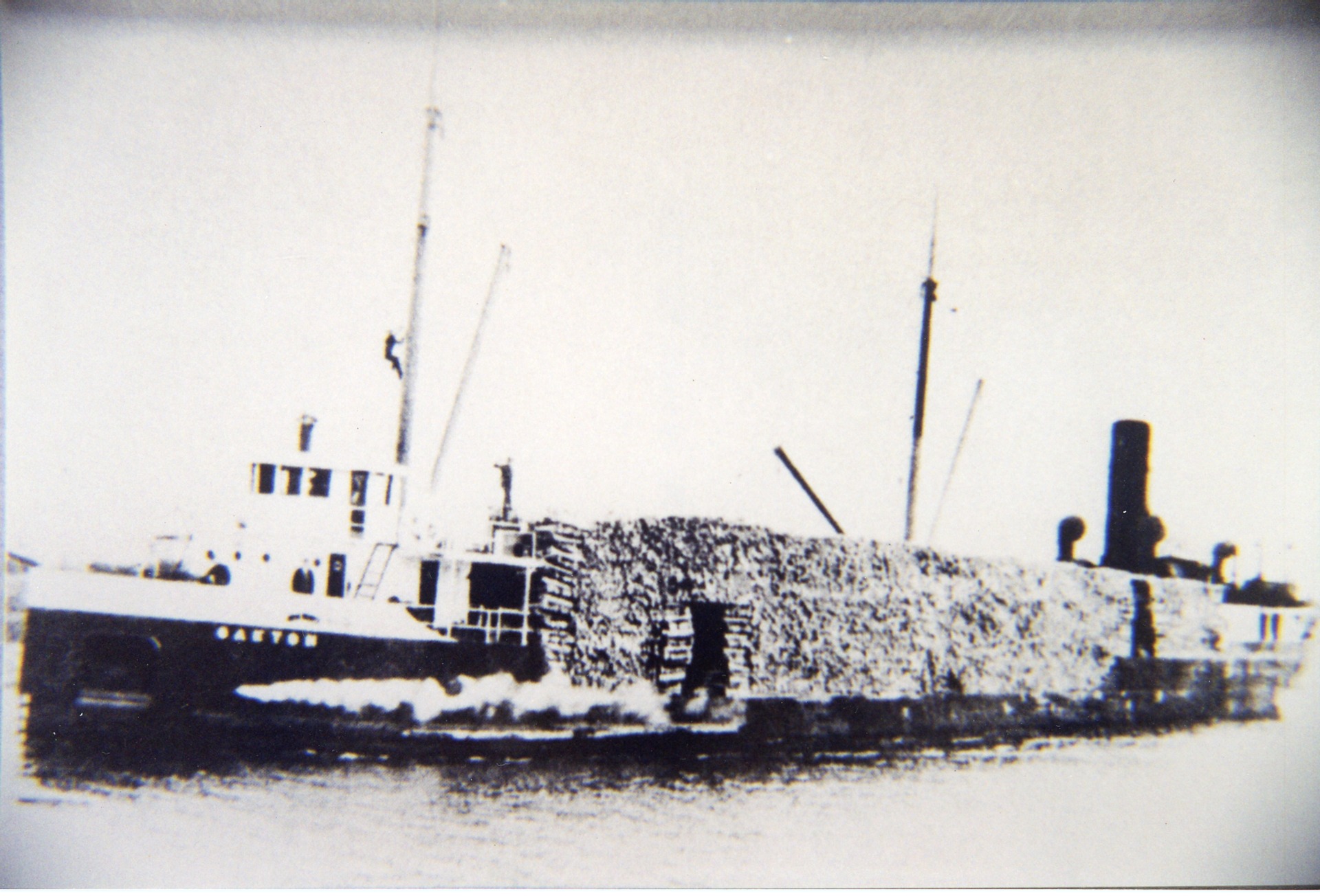
The early 20th century also marked the rise of coal mining, mainly in Nova Scotia, an essential resource for the rapidly expanding industrial development. Many “coal barges” were loaded to maximum capacity with this precious commodity.
In 1901, for example, nearly 221,557 tons of coal passed through the Soulanges Canal annually.
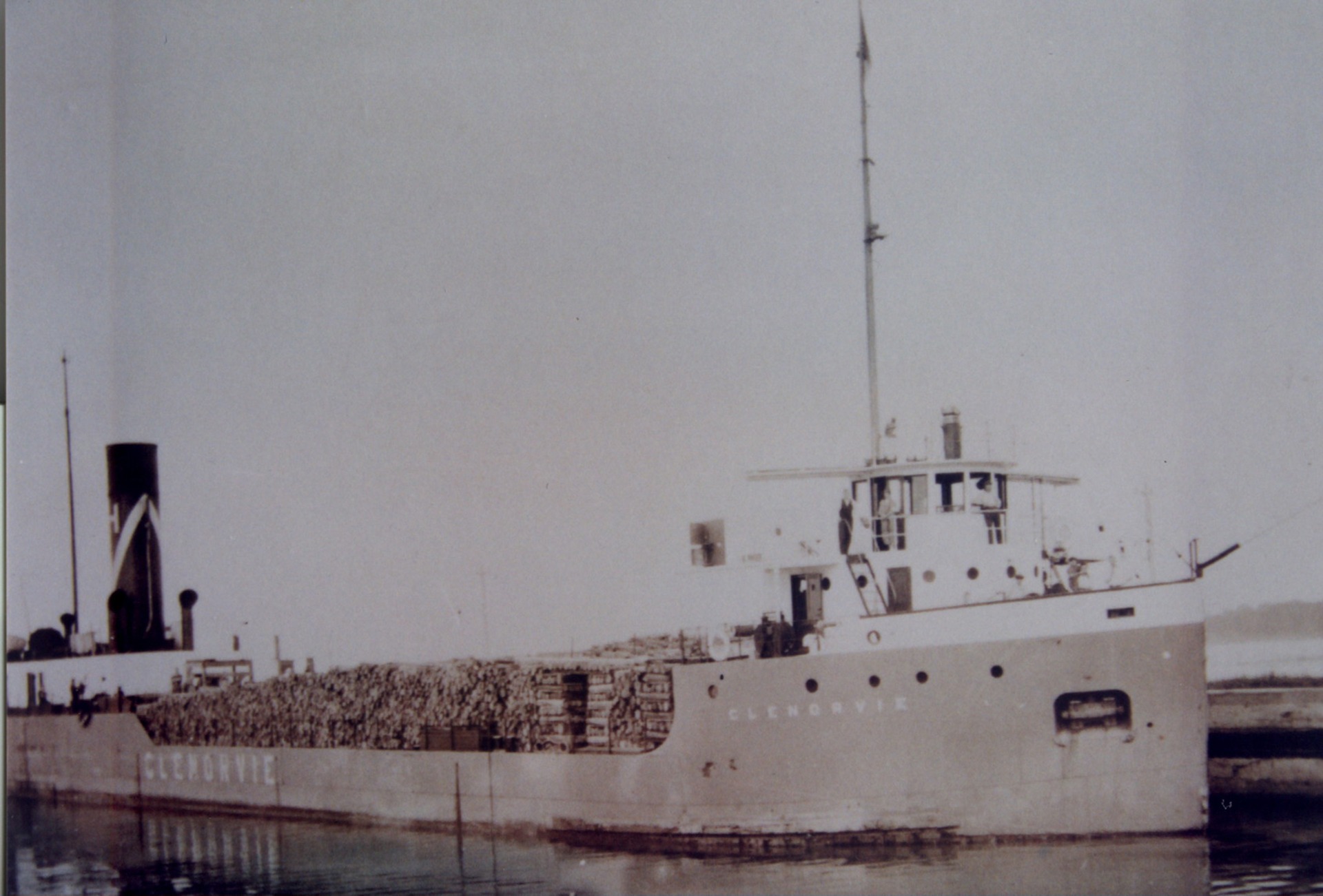
Along with wheat and coal, wood from northern Ontario and Quebec, used for heating and construction across North America, also accounted for a significant portion of cargo, as did wood pulp, used in the manufacture of newsprint, which occupied an important place in world markets in the mid-20th century.
The canal boats also carried manufactured goods, foodstuffs, cement, and fuel oil. This was the heyday of maritime transport, with international trade booming.
-3vlxohk.png?alt=media&token=f28b675a-05de-4091-9df4-9d208d5dd244)