

Dr. Henry Townsend
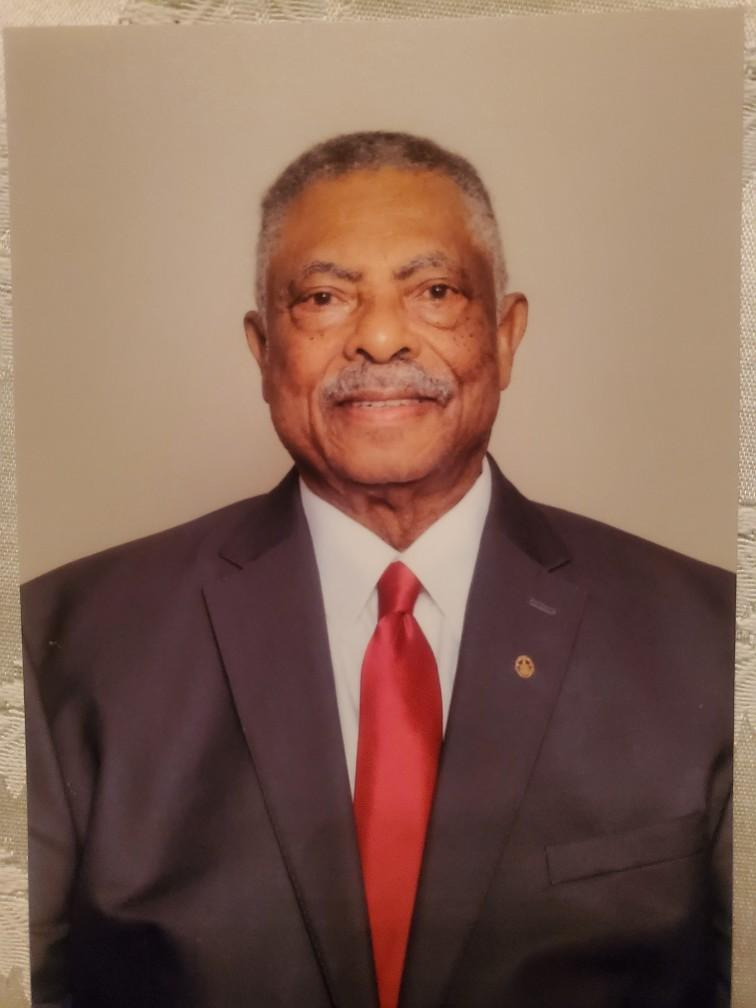
“We pushed and they gave... that’s how we moved forward.”
– Dr. Townsend
About
Dr. Henry L. Townsend is a physician, educator, and lifelong Oklahoman whose family legacy is deeply rooted in Oklahoma City’s Black community history, spanning medicine, education, real estate, and civil rights-era advancement. Born in 1944 at St. Anthony Hospital in Oklahoma City, Townsend notes that he was among the first Black babies delivered in a white hospital in the city, under the care of Dr. G. Finley, marking an early intersection between his personal history and Oklahoma’s evolving medical integration.
His Story
Townsend comes from a multi-generational family of professionals and community builders. His father, John Amos Townsend, was both a real estate broker and head waiter at the Oklahoma City Golf and Country Club, while also engaging in property ownership and urban real estate development. His grandfather, John Henry Townsend, was a real estate figure who owned and managed property in West Town, a historically Black community in Oklahoma City, before relocating the family to Northeast 8th Street—an area that sat on the boundary line of racial segregation in the city during the late 1940s.
Growing up, Townsend was surrounded by an environment of education, discipline, and cultural enrichment. His household was filled with books, music, and strong academic expectations. His mother, Ruth Cantrell Townsend, cultivated a home that emphasized education and intellectual development, while also actively guiding her children toward academic success.
Townsend’s extended family played a significant role in shaping Oklahoma City’s Black professional class. His siblings include Dr. John L. Townsend, a pioneering physician and one of the first Black graduates of the University of Oklahoma College of Medicine, who later became a professor and department chair in internal medicine and endocrinology at Howard University. Another sibling, Sylvia Minster, became an educator and social worker, later earning advanced degrees and contributing to public administration and education both in Oklahoma and beyond. The Townsend family’s legacy also includes involvement in education, political service, civil rights, and international policy work.
Townsend’s own path led him through education, military service, and ultimately a career in teaching and healthcare. He studied at West Virginia State College, served in the U.S. Air Force as a radiology specialist, and later earned degrees in biology and chemistry, along with graduate training in microbiology and education. His professional career included roles as a radiologic technologist, educator, clinical coordinator, and program director at Rose State College, where he trained generations of healthcare professionals.
Across his life, Townsend has remained closely connected to Oklahoma City’s historic Black neighborhoods, churches, and schools—including Dunbar Elementary, Douglas High School, and Calvary Baptist Church. He describes a tightly interconnected community where educators, physicians, ministers, and civic leaders lived side by side, shaping one another’s lives and building institutional strength across generations.
For Townsend, family legacy is not only about individual achievement but collective advancement. He emphasizes education, service, and community responsibility as central values passed down through his family. His story reflects a broader narrative of Black professional and civic life in Oklahoma City, where inter-generational networks helped sustain progress through segregation, integration, and urban transformation.
Events
Urban Renewal Transitions
Dr. Townsend’s family history includes records of property transitions and negotiations during the Urban Renewal era, reflecting the shifting social and physical landscape of Black neighborhoods.
Boundary Line Settlement
In the late 1940s, the family relocated to Northeast 8th Street, an area that served as a racial boundary line in a segregated Oklahoma City.
Property Ownership in West Town
Dr. Townsend’s grandfather, John Henry Townsend, owned and managed significant property in West Town, a historically Black community, providing a foundation for family and community stability.
Medical Integration
Born in 1944 at St. Anthony Hospital, Dr. Townsend was among the first Black babies delivered in a white hospital in Oklahoma City, a milestone achieved under the care of Dr. G. Finley.
Locations
Frederick A. Douglass High School
Where Townsend and his siblings attended high school, served as a cornerstone of his childhood and academic development in Northeast Oklahoma City. He credits the educators at Douglass with playing a vital role in preparing students for higher education and leadership positions.
Dunbar Elementary School
Where the Townsend siblings attended elementary school, they credit the educators there, as well as their parents, for cultivating their love of learning early in their lives.
Calvary Baptist Church
Where the Townsend family’s spiritual and civic life was anchored, an institution with deep historical ties to the community’s leadership and architecture.
NE 8th Street
Where the Townsend family relocated in the late 1940s, located on the boundary line of racial segregation at the time.
St. Anthony Hospital
Where Townsend was born in 1944, delivered by Dr. G. FInley, marking an early milestone in medical integration.
Contributions
- The Townsend family produced a generation of high achievers, including doctors, dentists, PhDs, and engineers, fulfilling Dr. Townsend’s belief that his family was "blessed to be a blessing" to society.
- Gradual integration of neighborhoods was achieved through the persistence and negotiation of families like the Townsends, who lived and owned property at the edges of racially restricted areas.
- Henry’s sibling, Dr. John L. Townsend, was one of the first Black graduates of the University of Oklahoma College of Medicine, eventually becoming a professor and department chair at Howard University.
- Dr. Townsend spent his professional career as a radiologic technologist and program director at Rose State College, where he trained generations of new healthcare professionals.
In His Own Words
- “Education is the only way to go… that was the foundation in our house.”
- “We were a village. Everybody knew everybody’s parents.”
- “Northeast Oklahoma City was a place where young Blacks could grow up safe.”
- “If you weren’t a doctor, lawyer, or teacher, the best thing you could be was a table waiter.”
- “My family has done everything we could to uplift society.”
- “Church, family, and community—that was our foundation.”
- “We pushed and they gave… that’s how we moved forward.”
Archival Materials