
Invasive Plants
As you made your way through the tour to this stop, you may have noticed a variety of plants along the walkways and riverbanks.
Some of these are invasive plants, originating in other countries, and thriving here to outcompete native species because they have no natural predators or controls here.
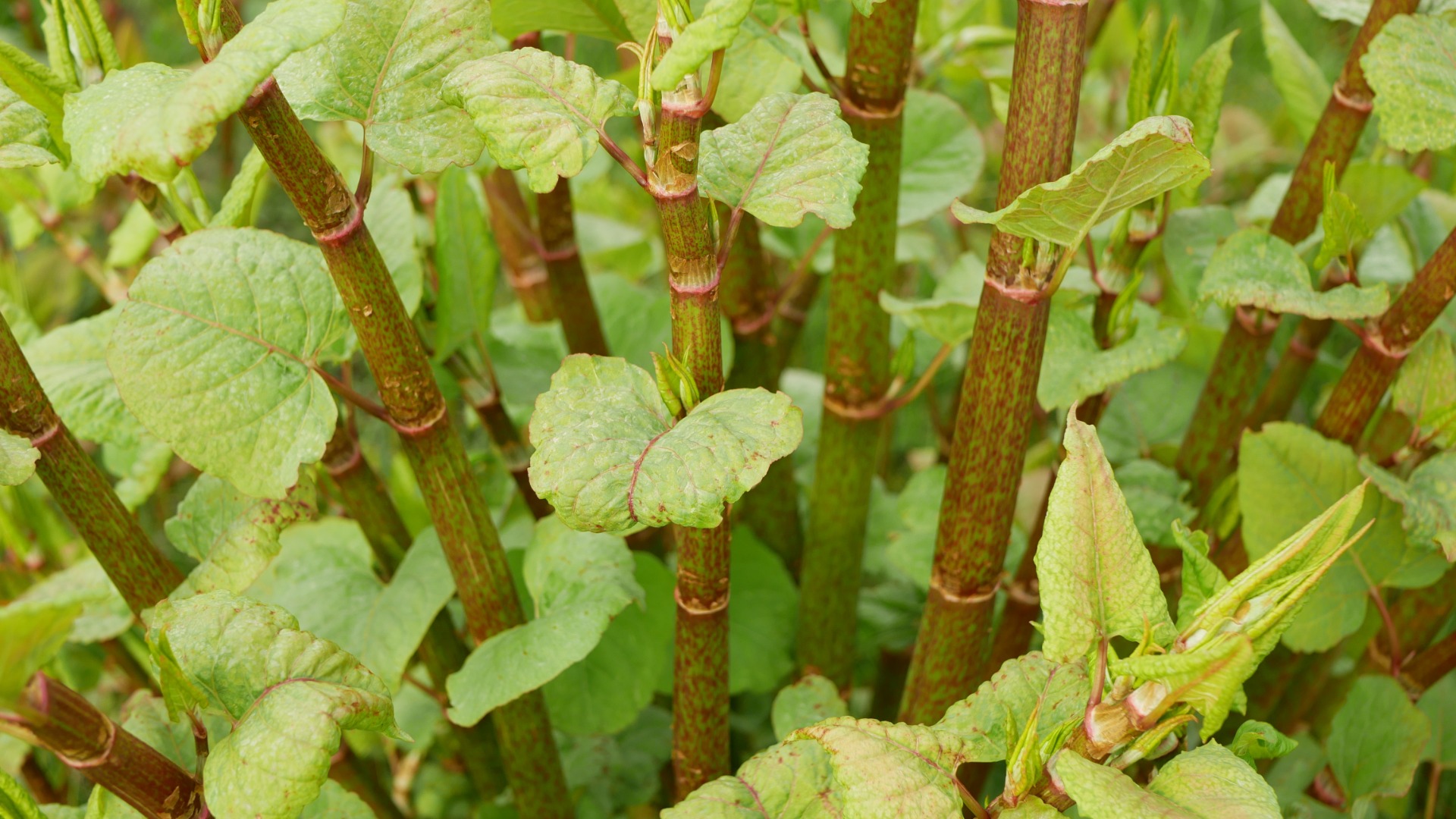
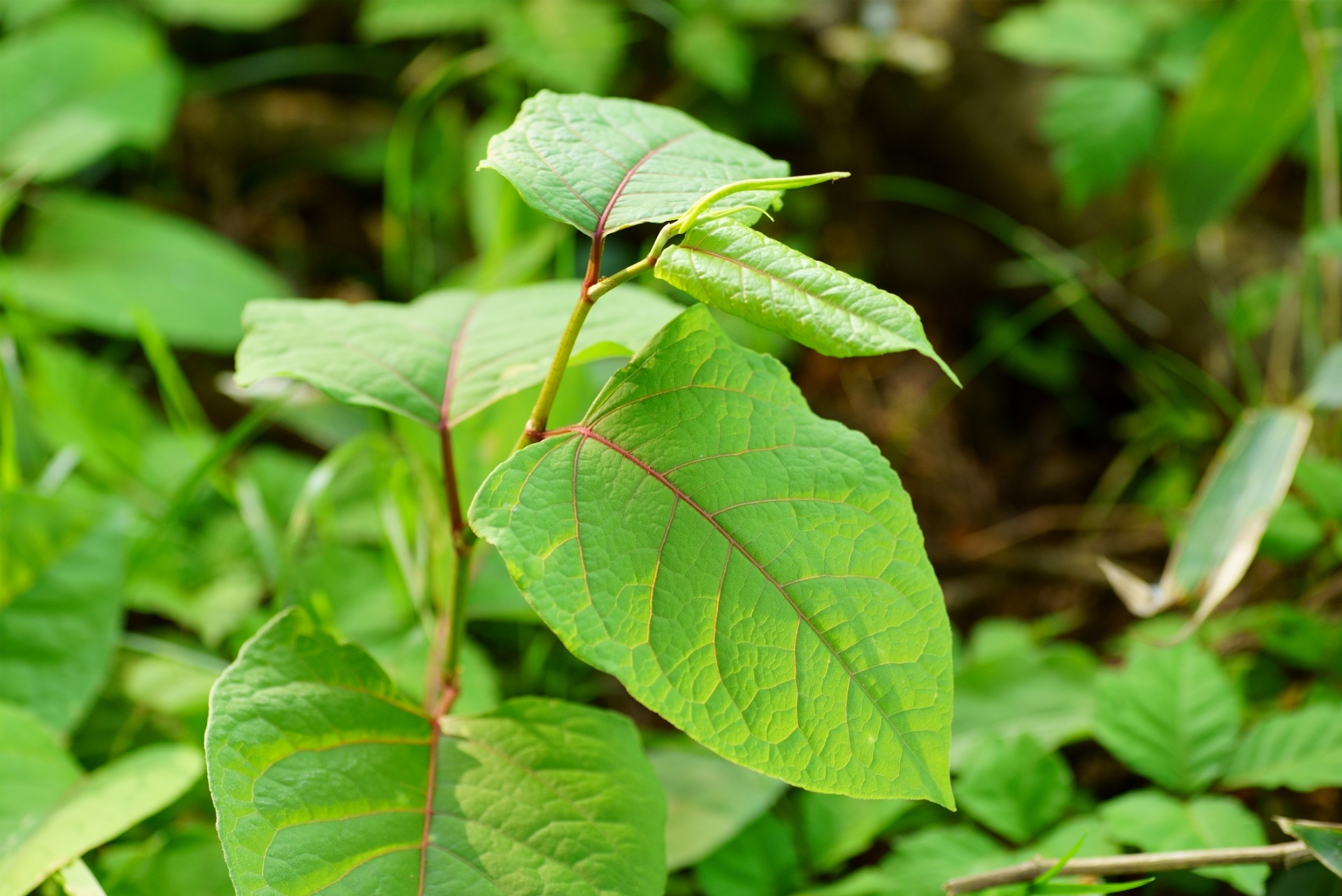
One of the more common invasive plants found throughout Maine is Japanese Knotweed. This plant can spread by roots as well as seeds, and shoots up quickly to overgrow native plants.
It's often spread through construction, by bringing in soils contaminated with roots or seeds that quickly establish new dense clusters that are hard to remove.
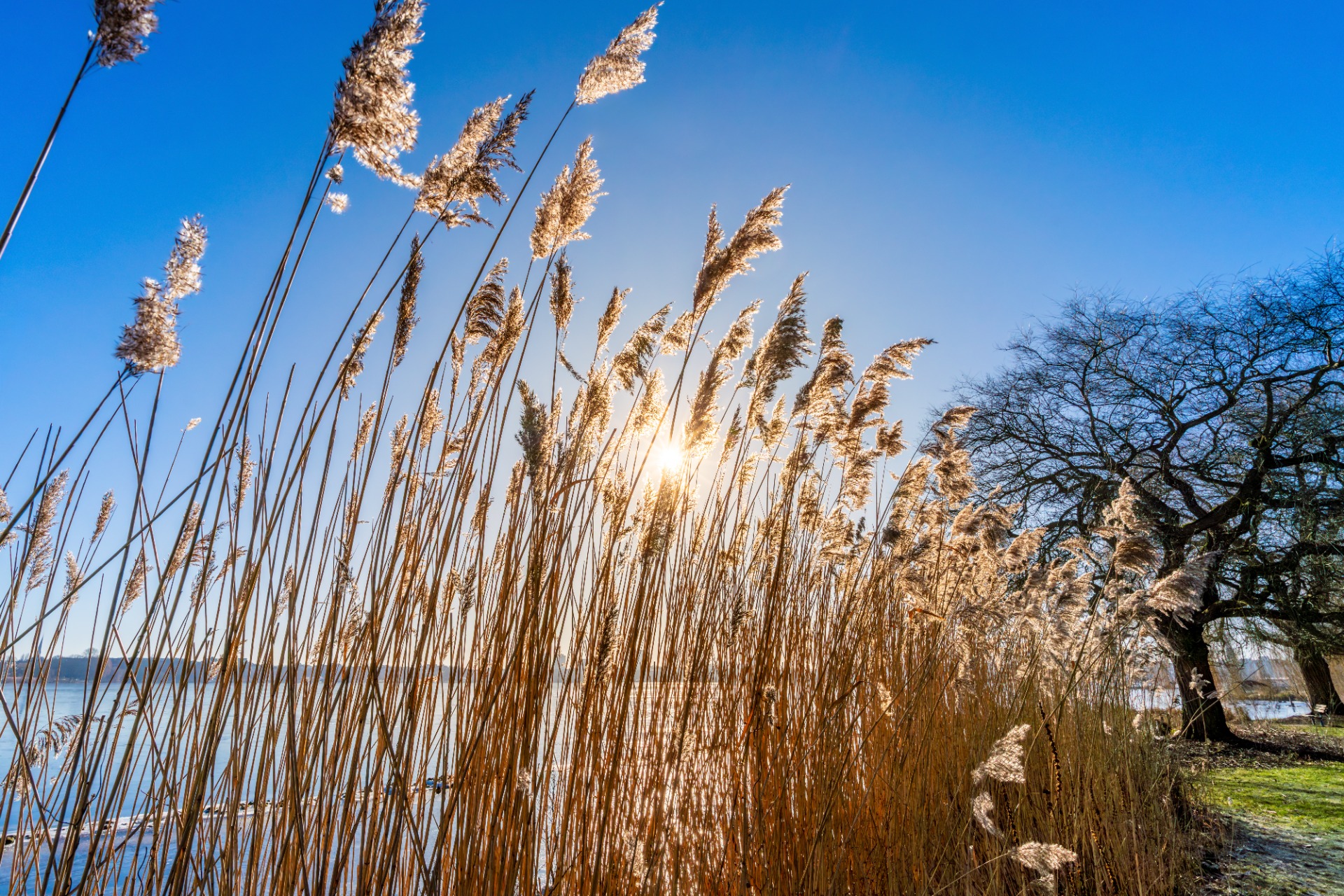
Invasive plants common along rivers and marshlands include:
- Japanese Knotweed
- Phragmites
Other invasive plants include:
- Bittersweet
- Multiflora Rose
- Japanese Barberry
- Honeysuckle
- Purple Loosestrife
- Norway Maple Trees
Many of these species were originally introduced through home landscaping projects, and discarded or spread through the movement of soils — making it important for each of us to properly dispose of plants and consider using native species when gardening or landscaping.
Most towns have special disposal rules for any soil and plant parts to ensure these common invasives don't spread to other locations.