

Île d’Orléans: the birthplace of French America
Just three miles from downtown Québec City, Île d’Orléans lies in the middle of the St. Lawrence River. The island is 21 miles long and 5 miles wide at its centre. Its northeastern tip marks the boundary between the St. Lawrence River and the largest estuary in the world, where freshwater gradually mixes with saltwater.
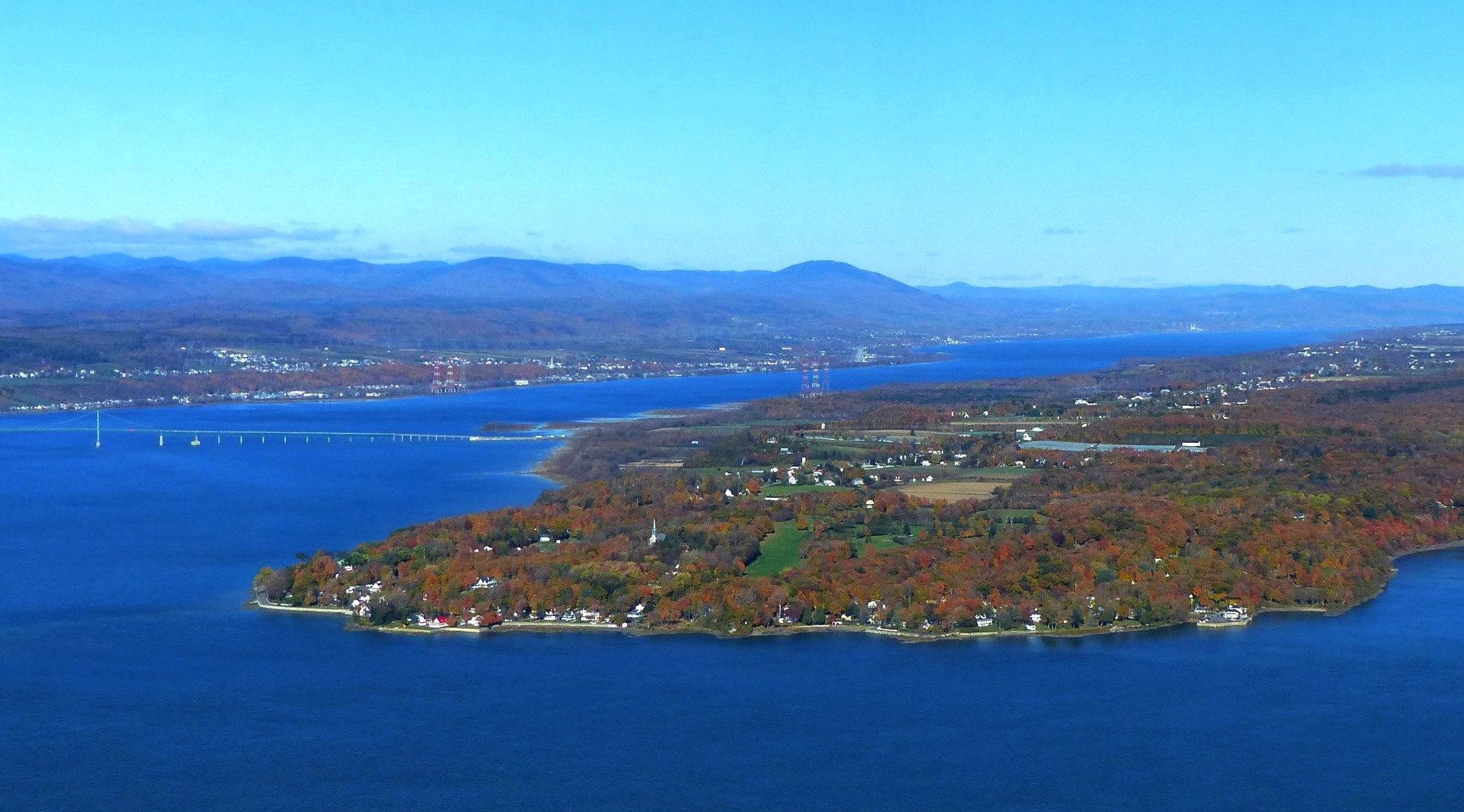
Before the Europeans arrived, Île d’Orléans was home to the Algonquin and Huron Peoples, who call it “Minigo” and “Windigo,” meaning “bewitched.”
On his second voyage to the New World in 1535, Jacques Cartier came across the island and its welcoming inhabitants. Cartier first called it Île de Bacchus because of its abundant vineyards, but less than a year later he renamed it Île d’Orléans in honour of the duke of the same name.
The island was briefly occupied by the Hurons-Wendat, who built a fort on its point in 1651. French settlers arrived on the island in 1660 and led a prosperous agricultural life despite attacks by the Iroquois. Its first French inhabitants are the ancestors of many of today’s Quebecers, Métis, French Canadians and Franco-Americans.
In 1759, during the Seven Years’ War, the island was hit hard by British incursions, but a small number of houses were left undamaged.
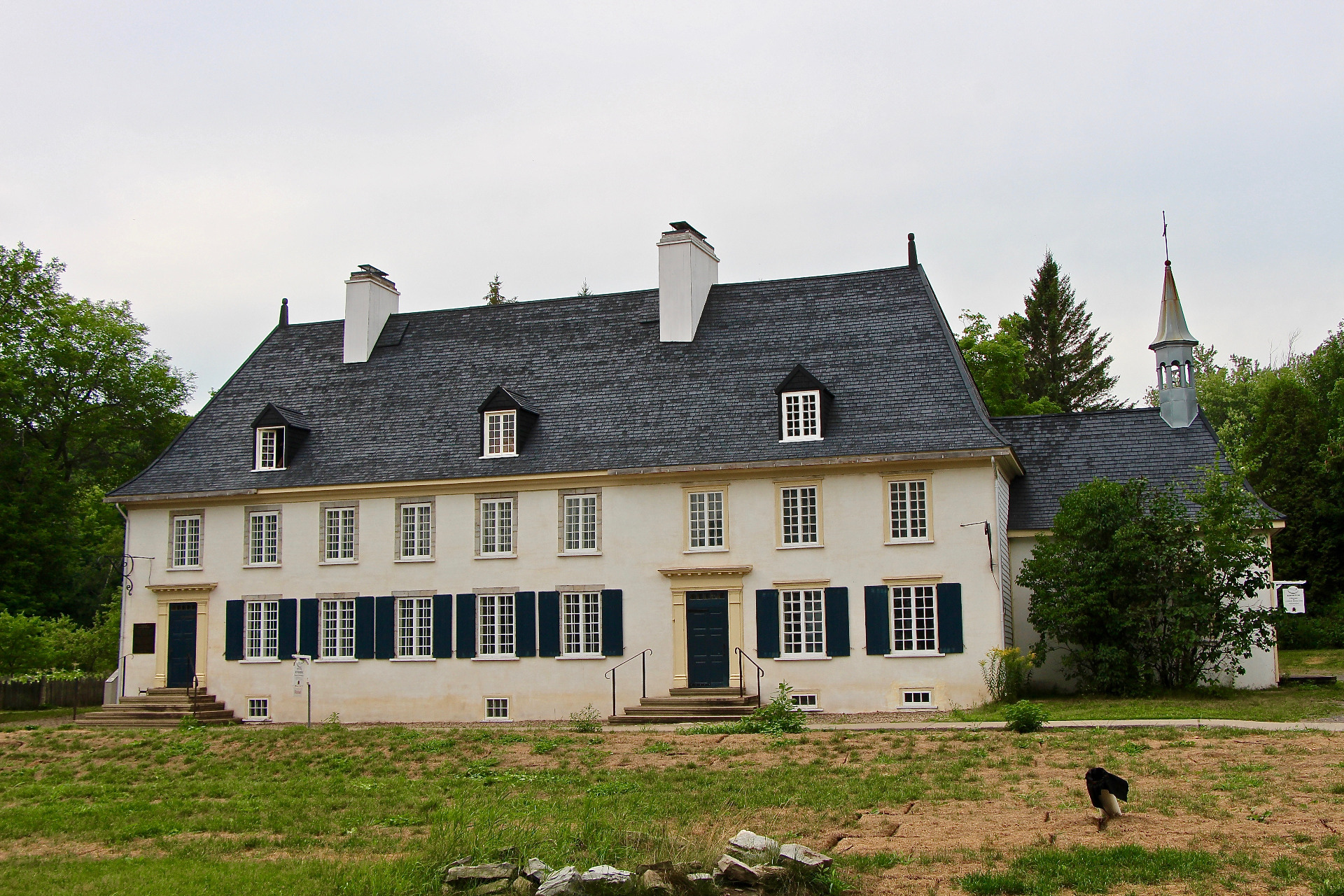
Today, Île d’Orléans is home to 7,082 people, living in its six historical parishes: Sainte-Famille (founded in 1661); Saint-Pierre, Saint-François and Saint-Jean (all founded in 1679); Saint‑Laurent (founded in 1698) and Sainte-Pétronille (founded in 1870). A historic 42-mile road called Chemin Royal runs around the perimeter of the island.
The island’s heritage is preserved through its ancestral houses and agricultural traditions. It’s a popular tourist destination, renowned for its local products and picturesque landscapes. Its tranquil beauty inspired singer-songwriter Félix Leclerc, one of the island’s most famous residents, to write the well-known song Le tour de l’Île, meaning “around the island.”
Spotlight on history