

Educating, providing care and saving lives and souls: Quebec’s major religious institutions
Many Christian institutions have played a major role in shaping Québec City. Even today, their outstanding architecture is a significant part of Old Québec City.
The Notre-Dame-de-Québec Basilica occupies a central place among them.
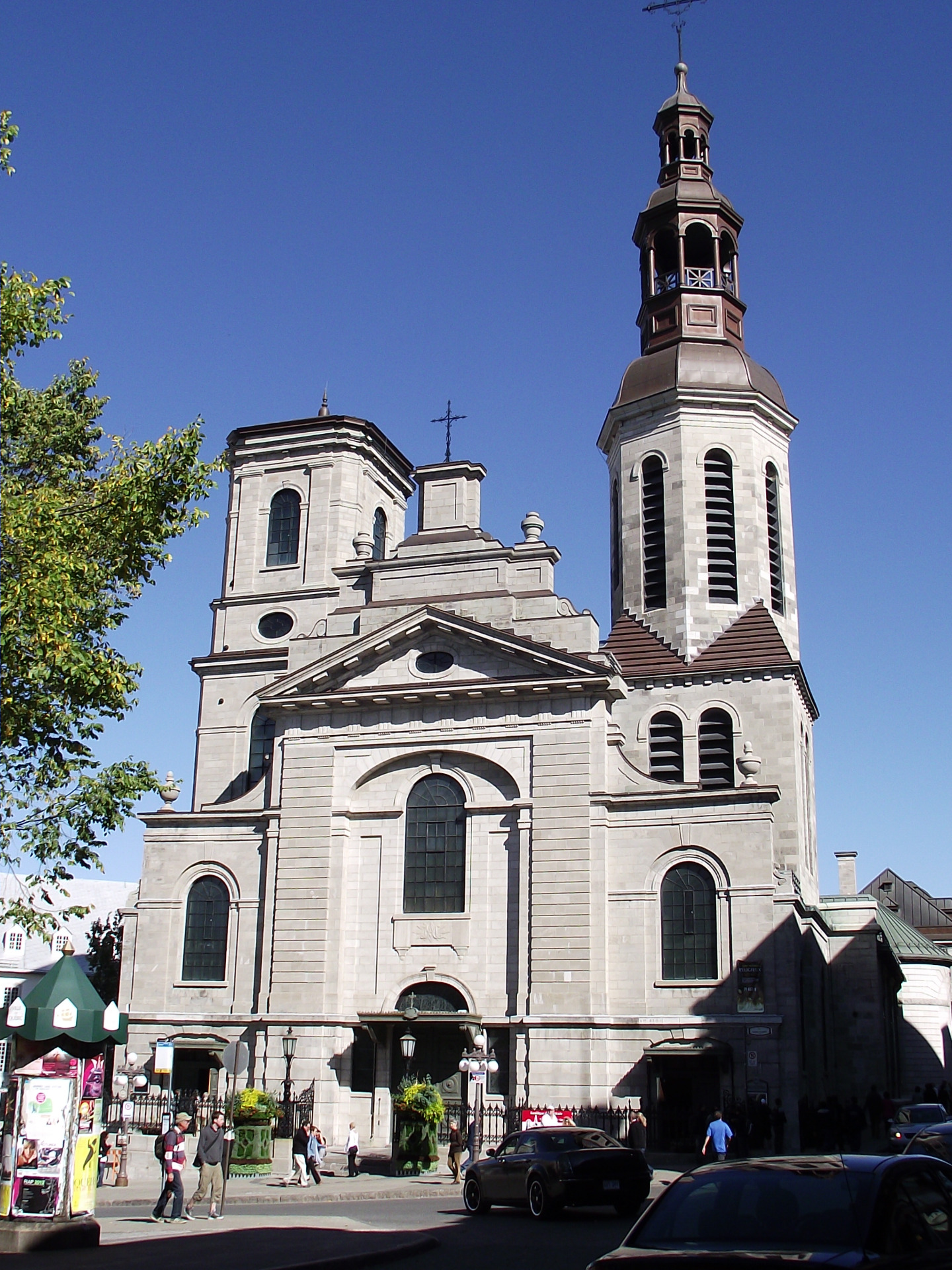
The Basilica stands on the site of the first chapel built by Samuel de Champlain. It transformed from a simple church to a cathedral in 1674 when Monsignor François de Laval was appointed bishop of New France. Bombarded and burned in 1759 during the Conquest of New France, it was subsequently rebuilt and granted basilica status in 1874.
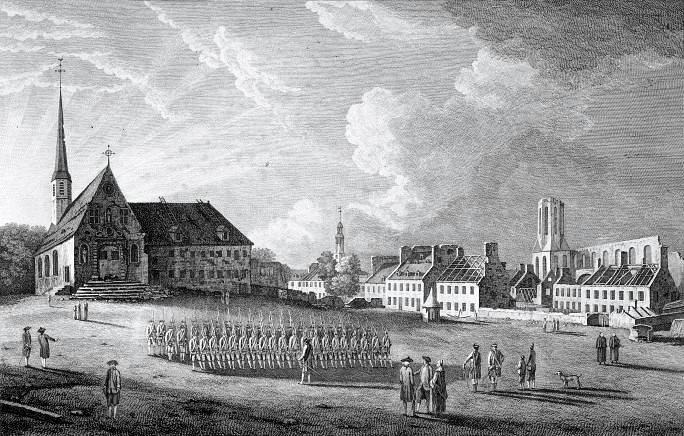
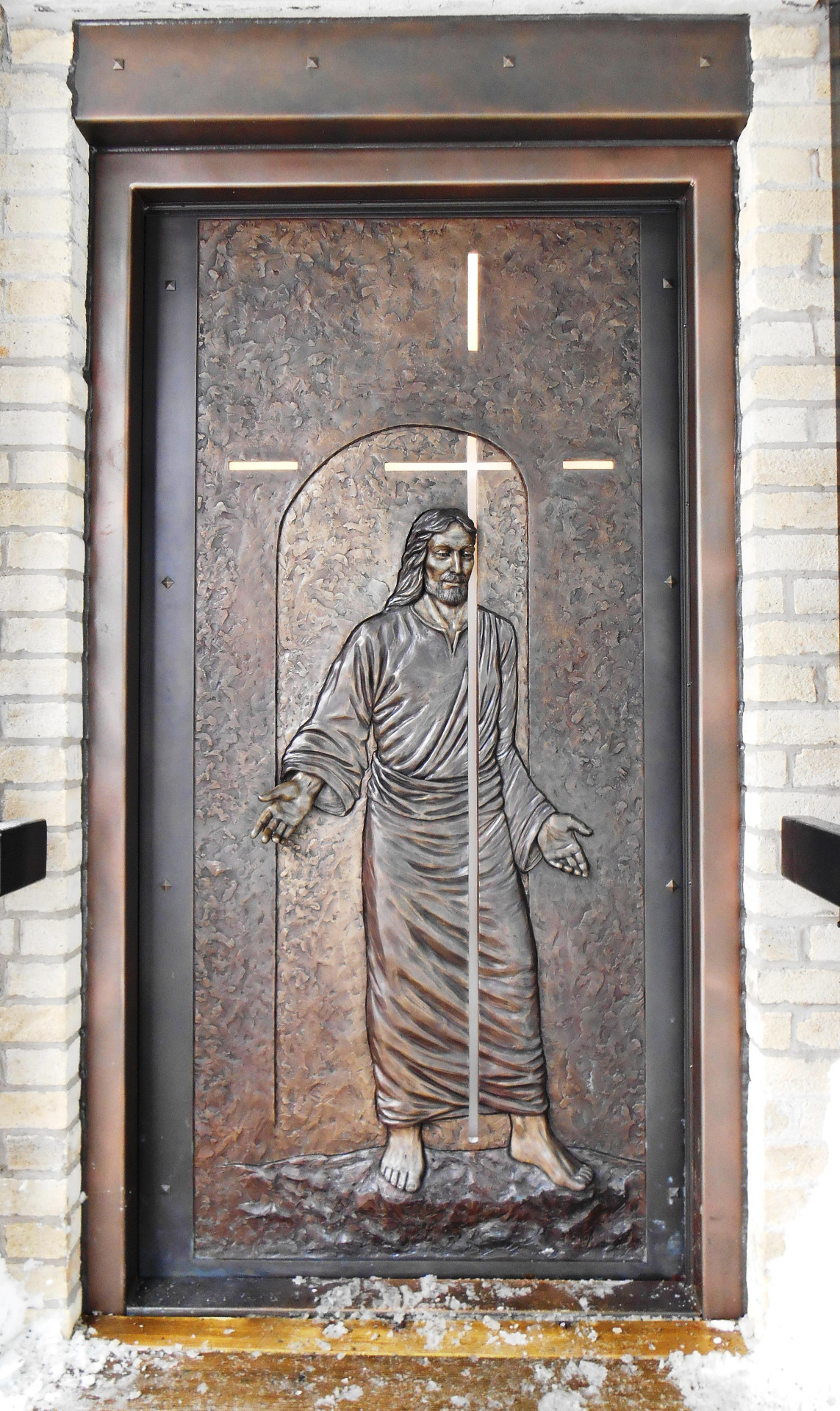
Fire struck the Basilica once again in 1922. It was rebuilt on the same foundations and followed the same plans. To mark the 350th anniversary of the Québec City diocese in 2014, the first holy door outside Europe was installed.
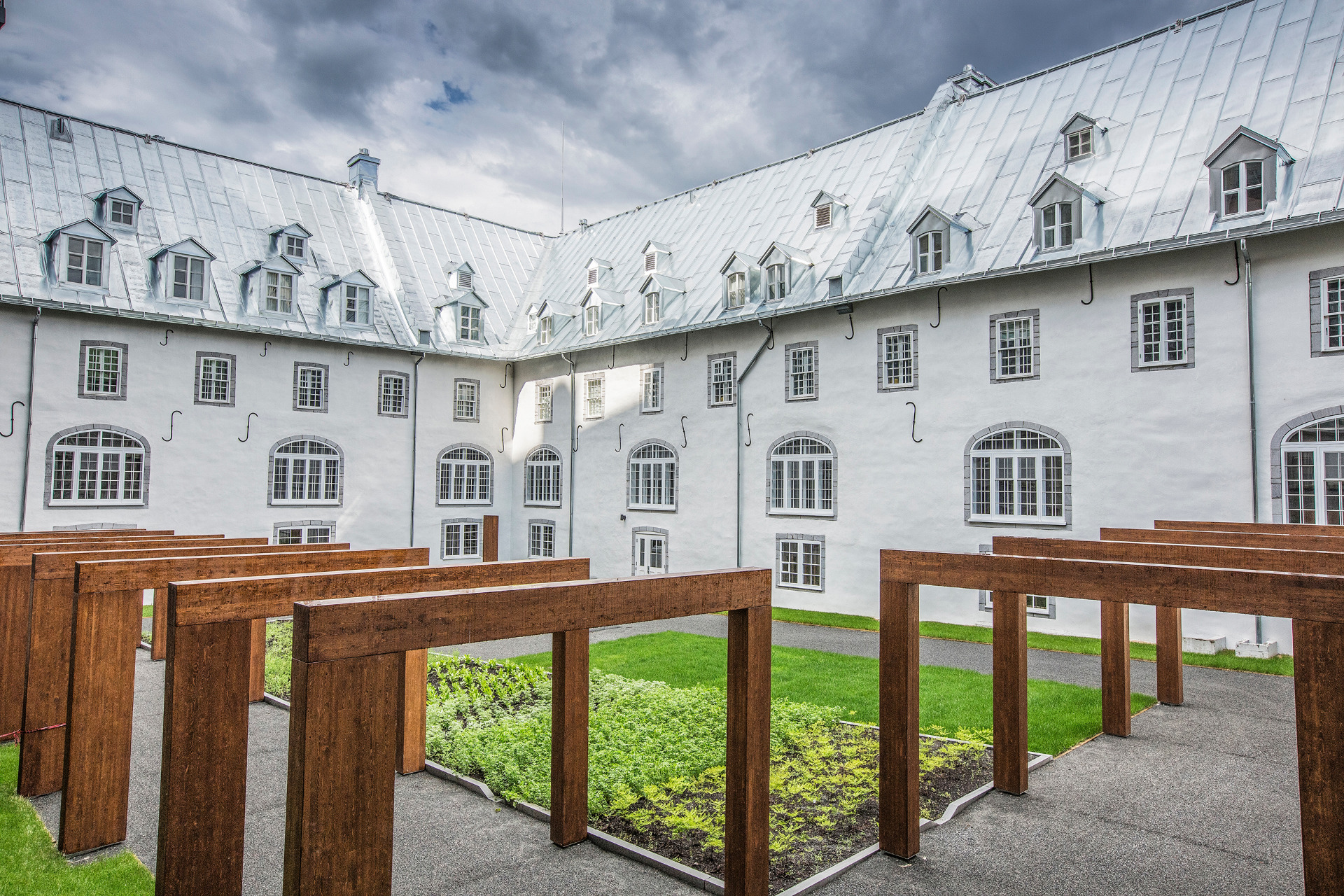
The Ursulines and Augustinians arrived separately in New France in 1639.
In 1644, the Augustinian nuns founded the Hôtel-Dieu de Québec, the first hospital in New France. In this isolated location on the new continent, they developed their pharmaceutical expertise by growing medicinal plants in their gardens so they wouldn’t have to rely on medicines imported from France. They carried on this tradition until the pharmaceutical industry took over in the 20th century. The Augustinian nuns ran the Hôtel-Dieu de Québec hospital for three centuries before handing it over to the government in 1962.
Not far away, the Ursuline nuns founded a school for girls in 1642, headed by Sister Marie of the Incarnation.
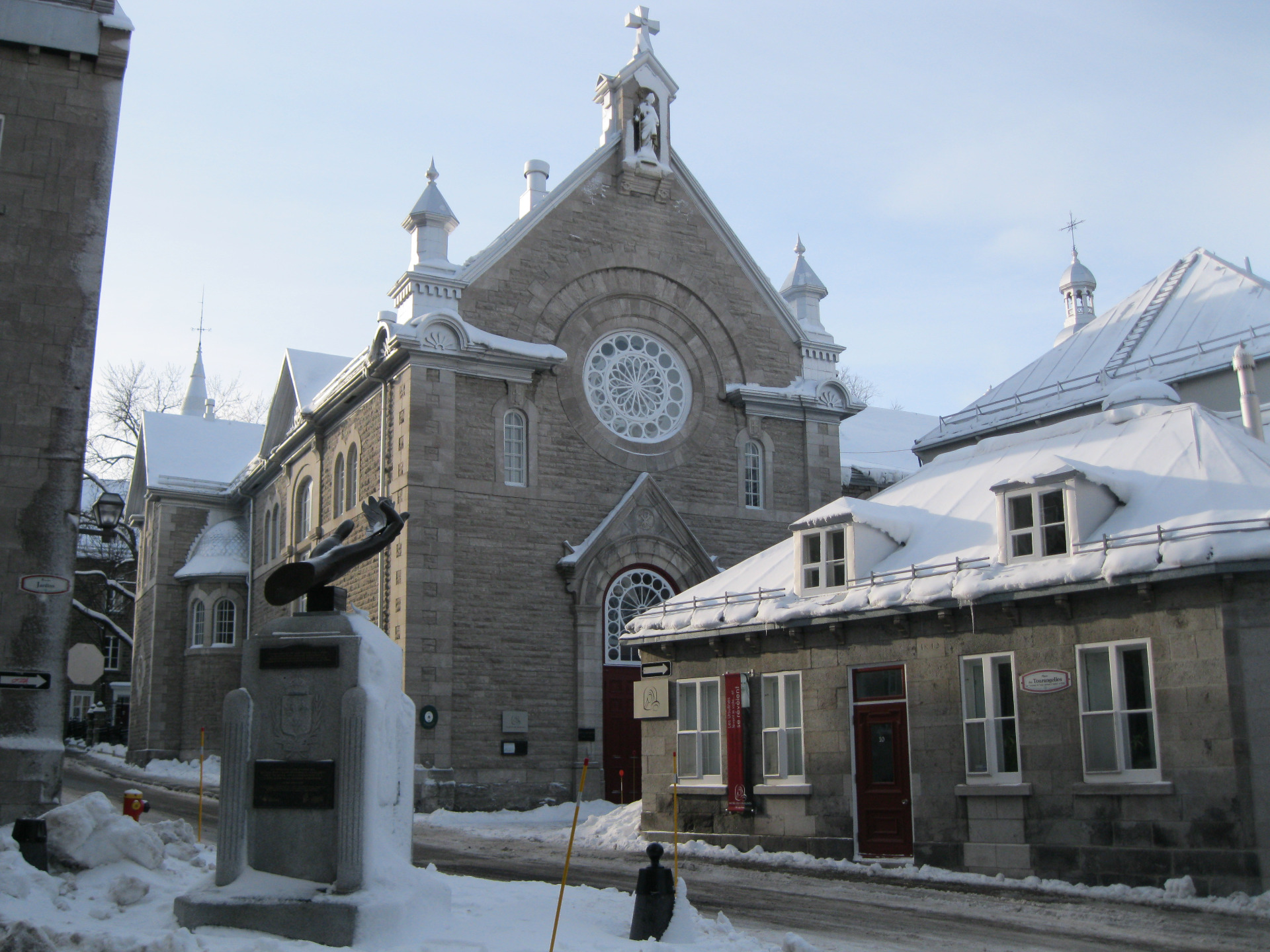
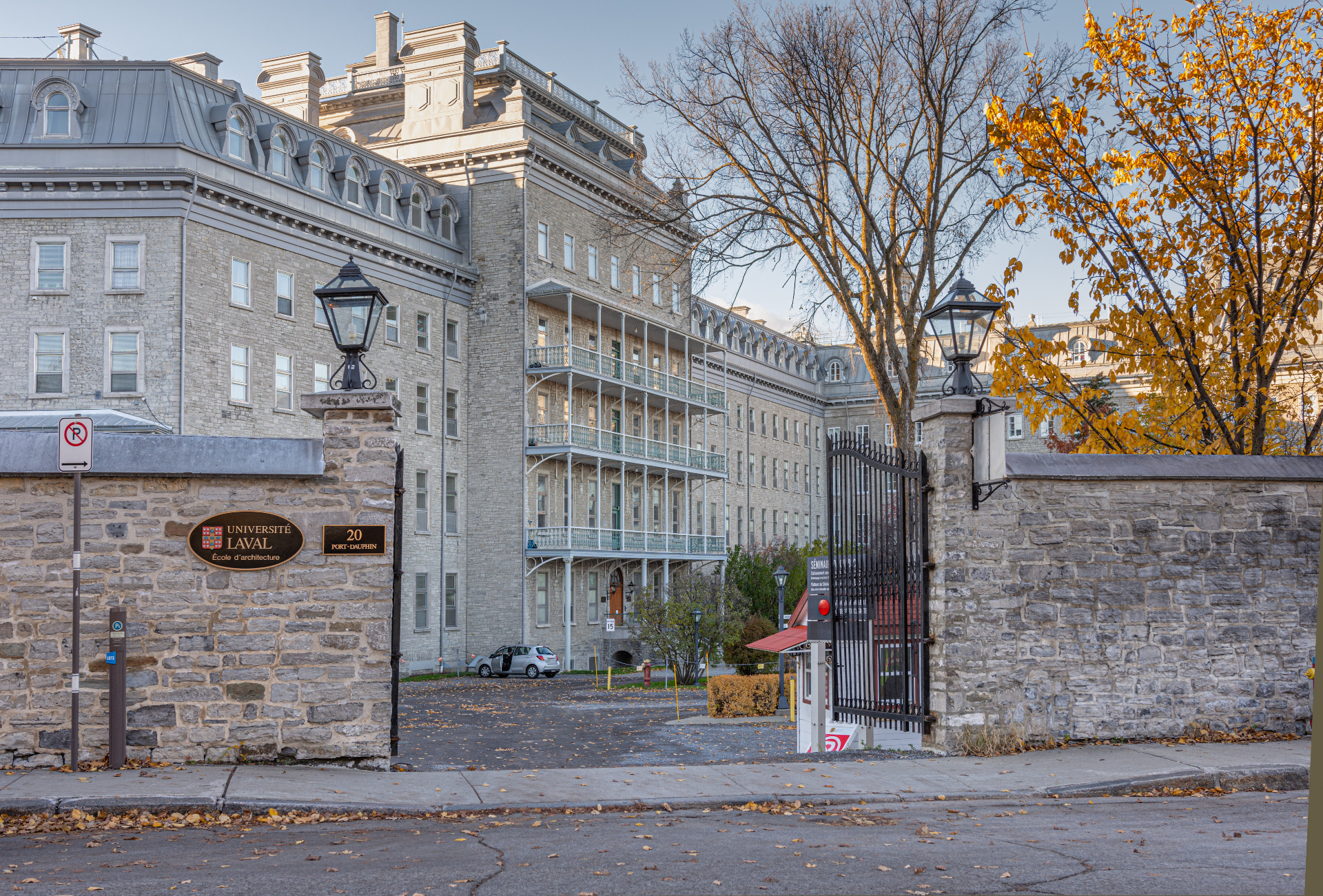
Québec City’s seminary was founded on March 26, 1663, by Monsignor François de Laval, the first bishop of Québec City. The Séminaire de Québec originally trained priests, but a boys’ school was added in 1765. The Jesuits expanded their work to include higher education when they founded Université Laval in 1852.
After the Conquest of New France, Québec City was the seat of both a Catholic and an Anglican diocese. The Cathedral of the Holy Trinity, built in 1804, was served by Québec City’s first Anglican bishop, Jacob Mountain.
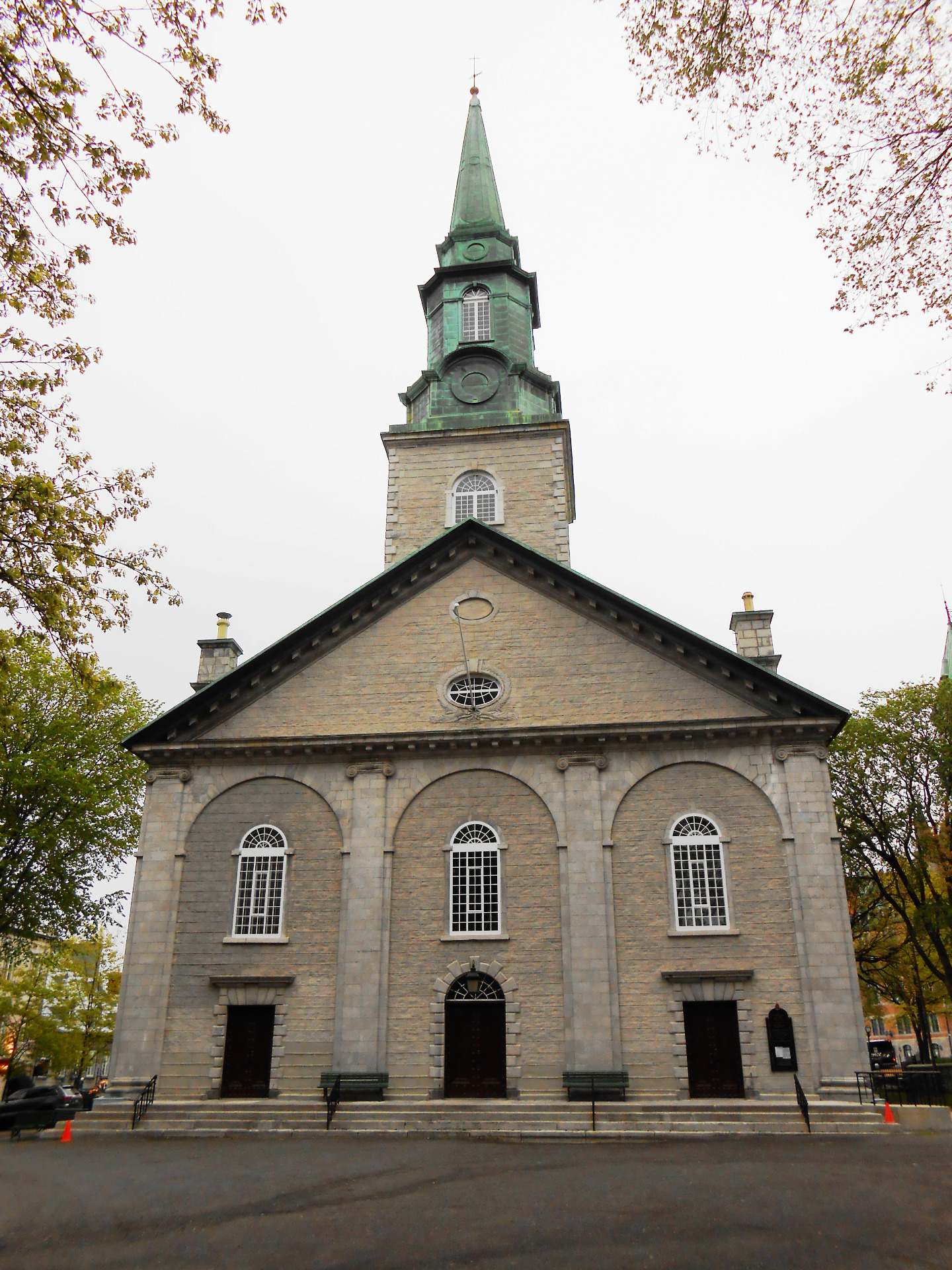
It was the first Anglican cathedral to be built outside the British Isles. King George III financed it and provided everything needed for worship.
Although some of these religious institutions have modified their activities over time, they are still important pillars in Québec City. Their historical heritage and ongoing contributions to society make them an integral part of the city’s identity.
Spotlight on history