

Radiator or bunker? Jean-Talon Building
The Jean-Talon Building has a history of modernist ambitions and political controversy. With its long line of narrow windows that look like firing ports, it quickly earned unflattering nicknames such as “radiator” and “bunker.”
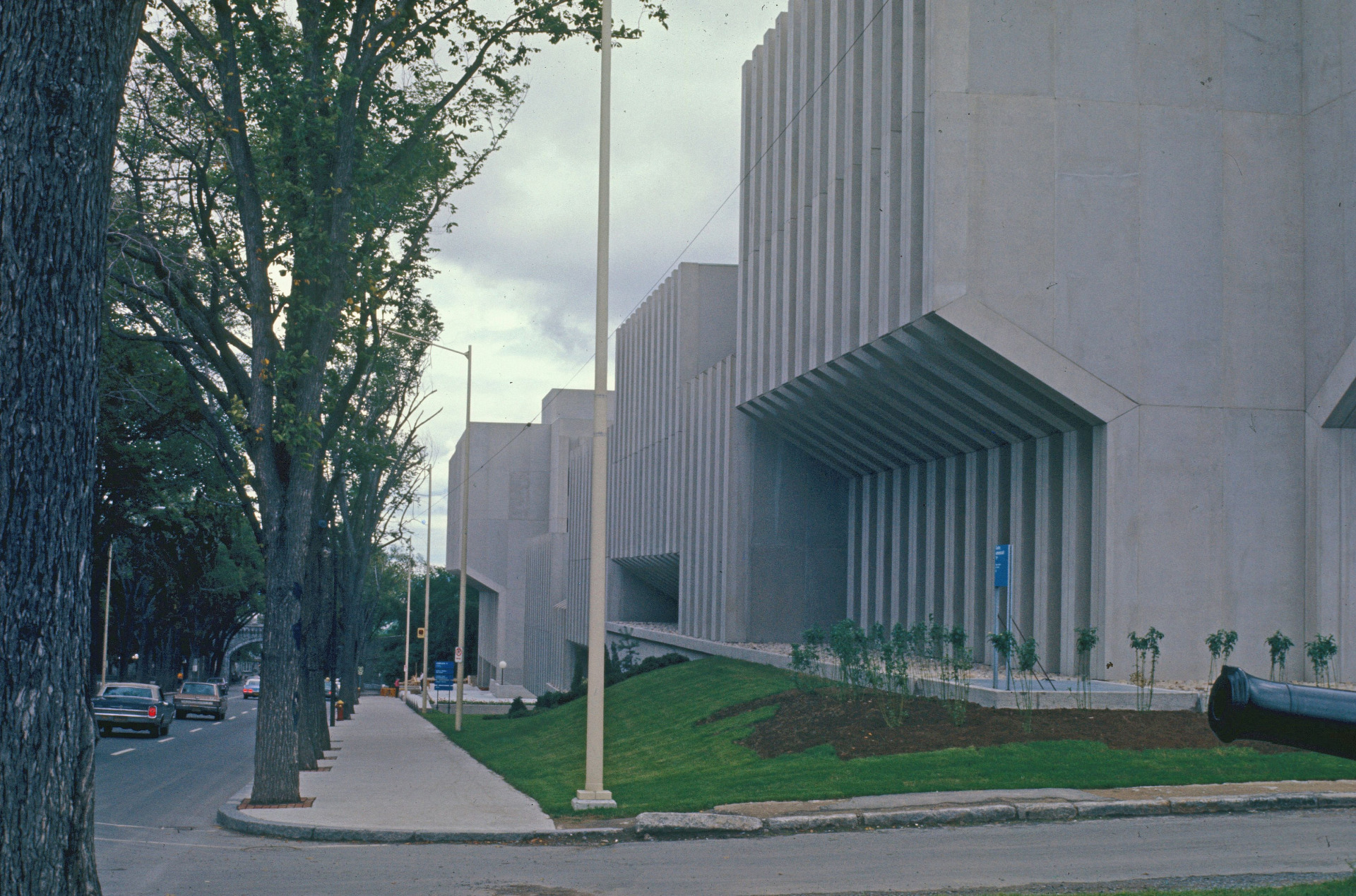
Built in 1972 at the behest of Daniel Johnson’s government, it was intended to embody modernity and provide heightened security after the October Crisis. It was equipped with safety features such as bulletproof glass and a helipad on the roof.
Architect Evans St-Gelais came up with a robust design inspired by the nearby buildings, such as Parliament and the Citadel, as well as the Victorian houses that were sacrificed to make way for the new construction.
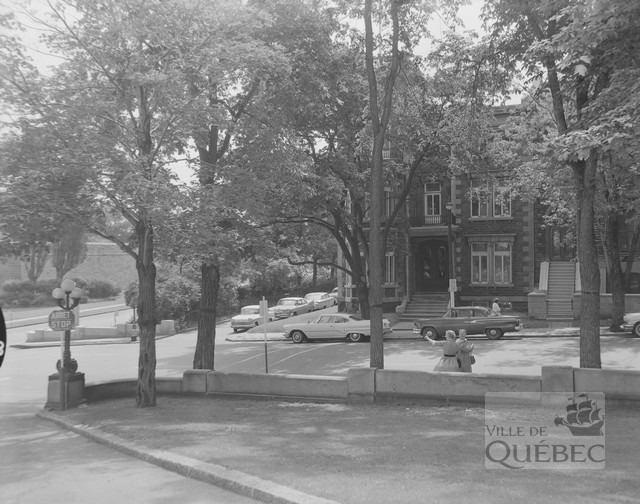
Despite its designer’s laudable intentions, the building immediately drew criticism, both for its austere aesthetic and for the heating, ventilation and water infiltration problems that arose as soon as it was in use.
Although Premier Bernard Landry suggested demolishing the building in 2001 for aesthetic reasons, the Jean-Talon Building continues to serve as the hub for Quebec’s executive branch, although some of its functions have been transferred elsewhere over the decades. The rooftop helipad, which had not been used since the 1990s, was closed in 2013 because it had fallen into disrepair.
Today, its strong silhouette and functional attributes recall an era of architectural and political transformation in Quebec.
Spotlight on history