

A modern campus for America’s oldest French-language university
The Université Laval campus as we know it today is the result of an ambitious vision that took shape in the mid-20th century. This modern campus has a long history of commitment to French-language education.
Université Laval traces its roots back to 1663, when François de Laval, the first bishop of New France, founded the Séminaire de Québec.
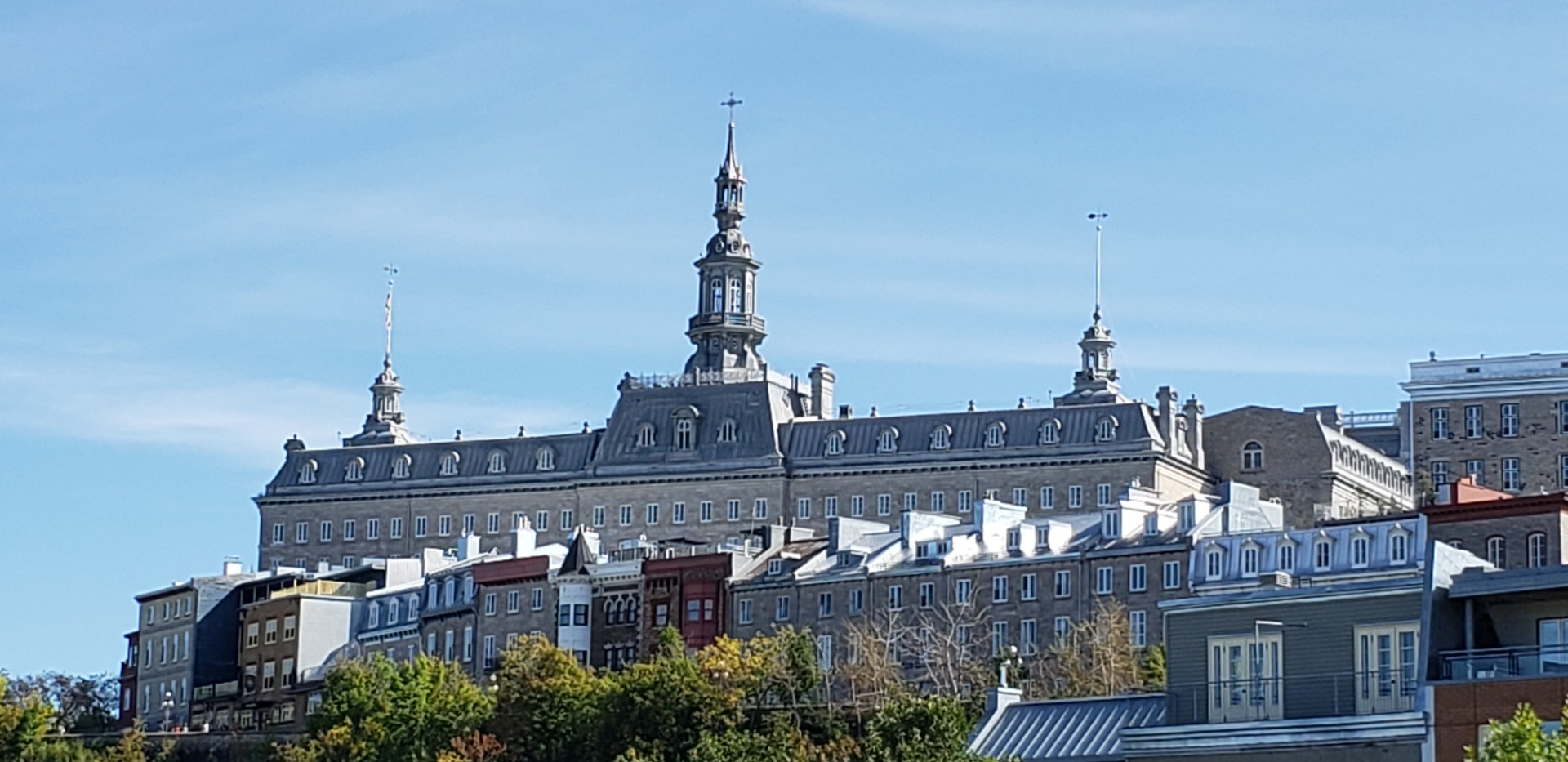
Over the centuries, the institution flourished, becoming Canada’s first French-language university in 1852, when there were already five English-language universities established in the country.
Université Laval blossomed. The number of students and programs grew until the old seminary could no longer accommodate them. In 1950, an ambitious project was launched for a university campus on the Sainte-Foy plateau.
Architect Édouard Fiset, who would go on to design the Marie-Guyart Building a few years later, was chosen for the project.
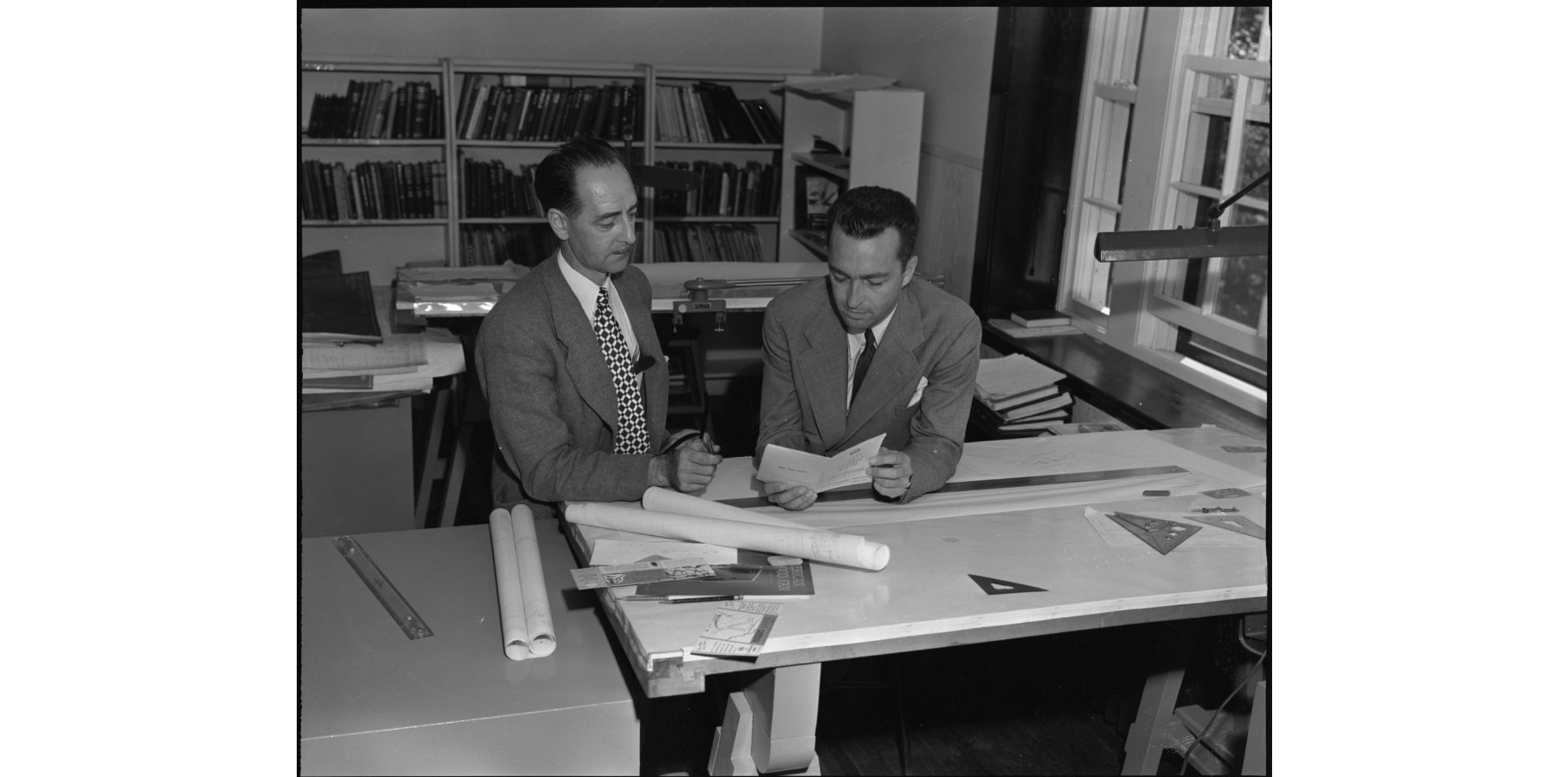
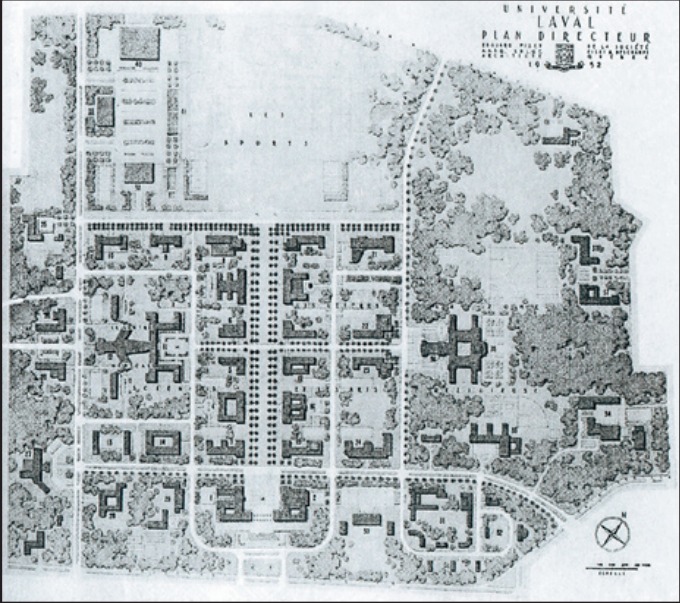
Taking inspiration from US campuses, Fiset designed a group of buildings linked by wide avenues and underground passageways, with large green spaces and unobstructed views of the major buildings.
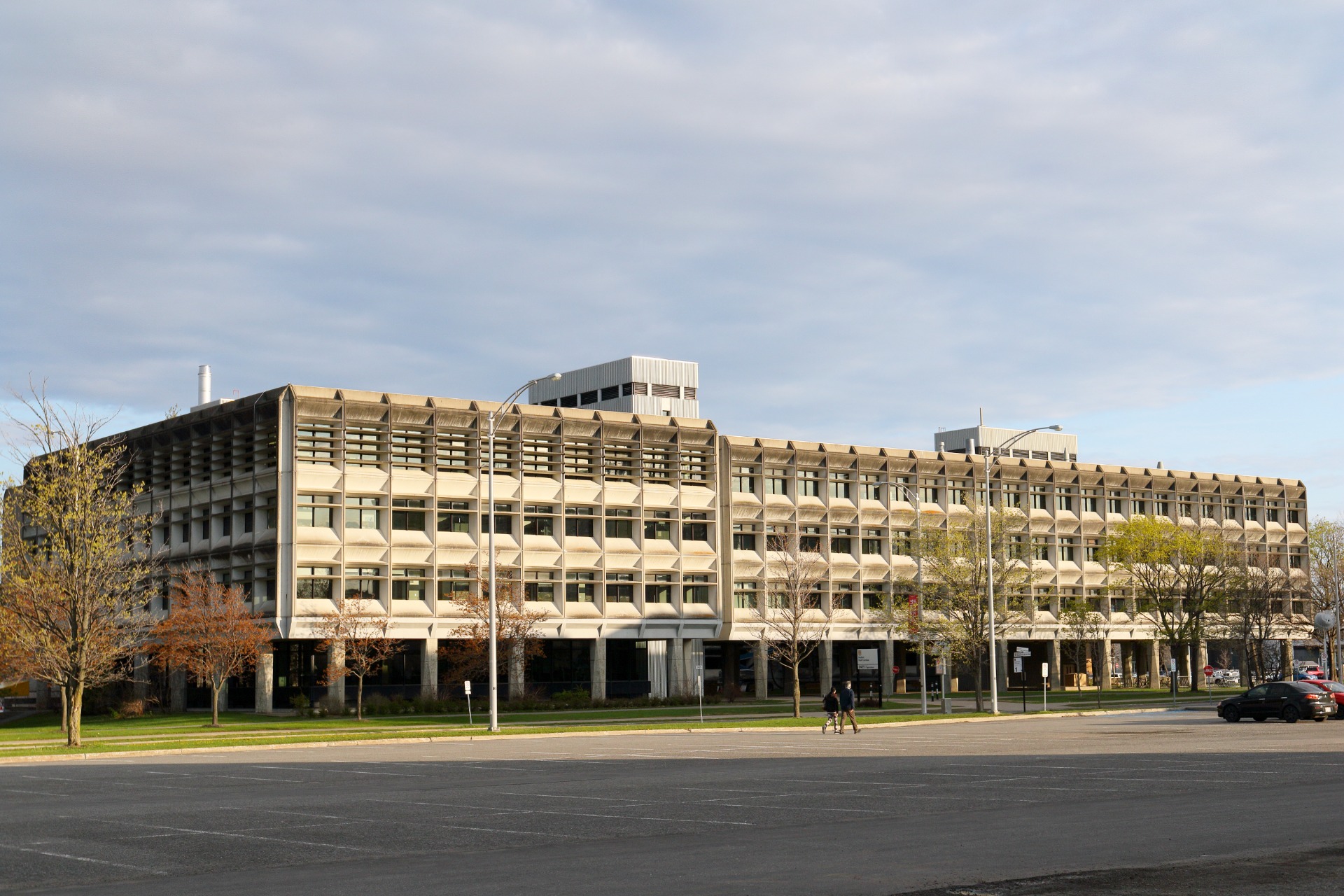
The simple geometric forms of the buildings gave the campus a decidedly modern look, reflecting the innovative spirit of the time. Public art also featured prominently.
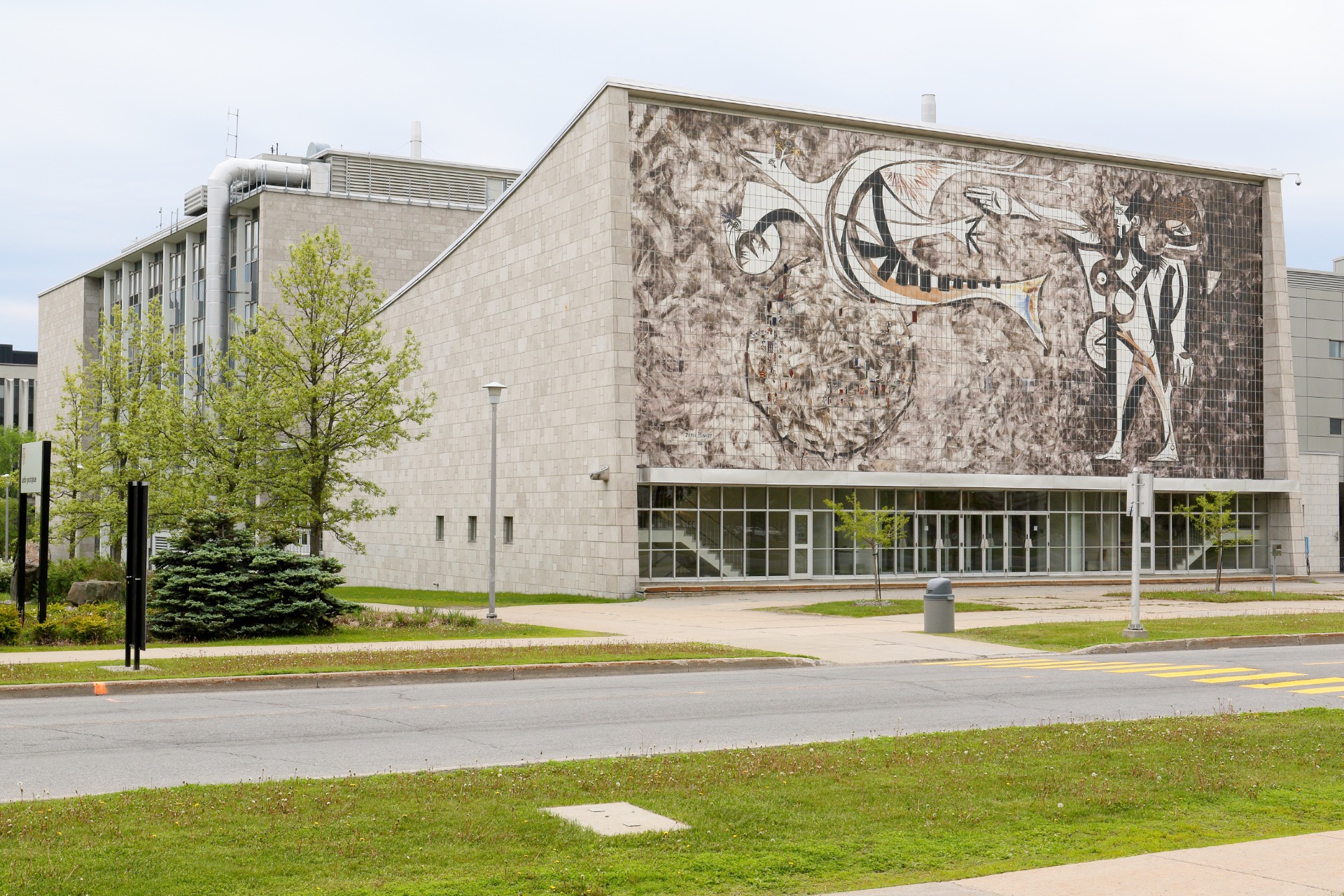
Today, the Université Laval campus is home to world-renowned faculties and schools in a variety of fields, including the sciences, humanities, arts and social sciences.
Spotlight on history