

Two bridges: two stories marked by tragedy
Soaring over the St. Lawrence River, the Québec and Pierre-Laporte bridges connect the cities of Québec and Lévis and symbolize the region’s vitality. But their graceful architecture disguises histories marked by hardship.
An engineering feat in its day, the Québec Bridge was initially designed for rail traffic. Construction began in 1900 but was overshadowed by two major tragedies.
During the first phase of construction In 1907, the southern structure collapsed, killing 76 workers. The incident was blamed on design error and poor judgment by the head engineer.
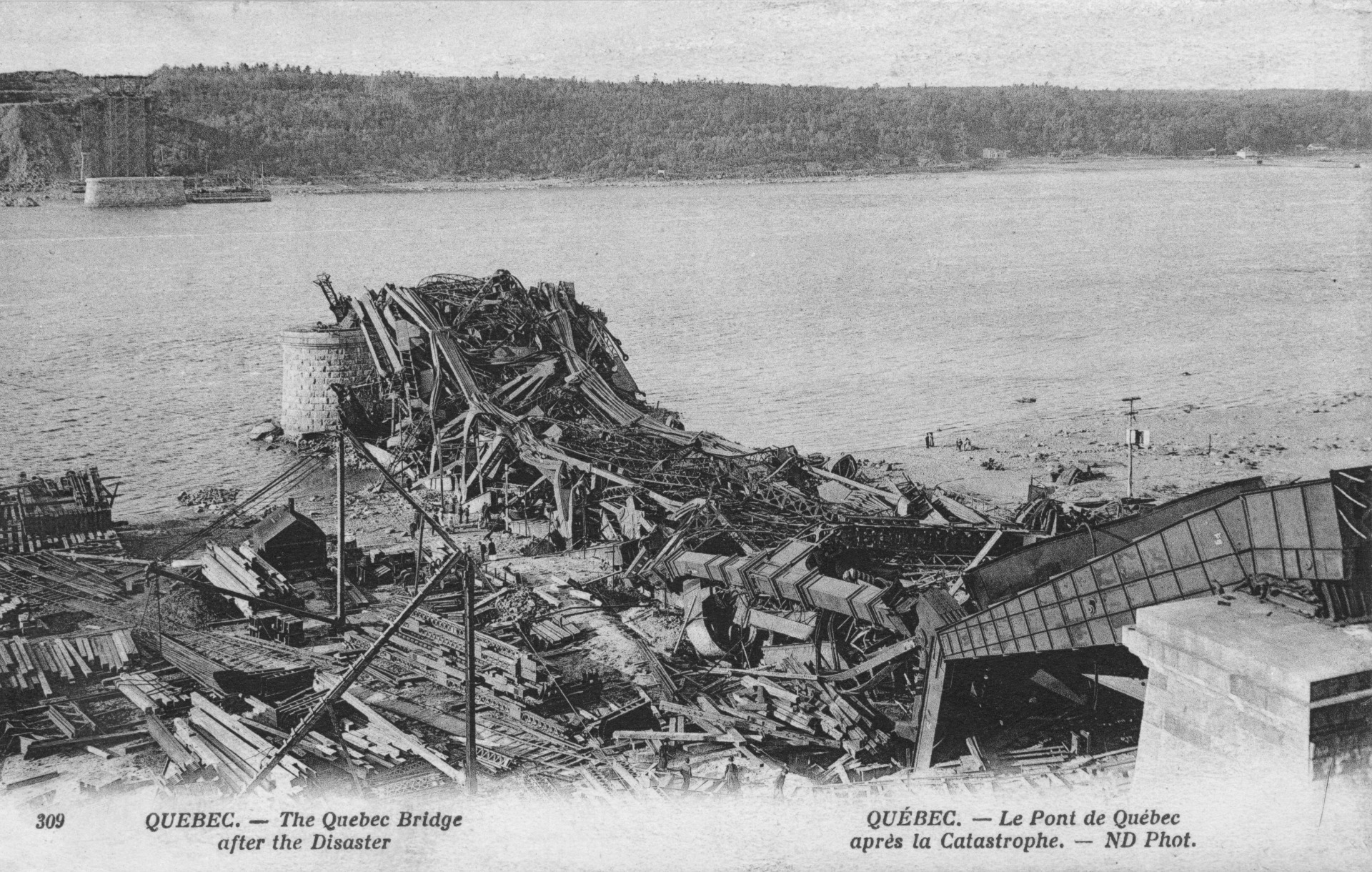
Work resumed the following year, under the management of another company. On September 11, 1916, a crowd of over 100,000 people gathered to witness the raising of the centre span, the backbone of the structure.
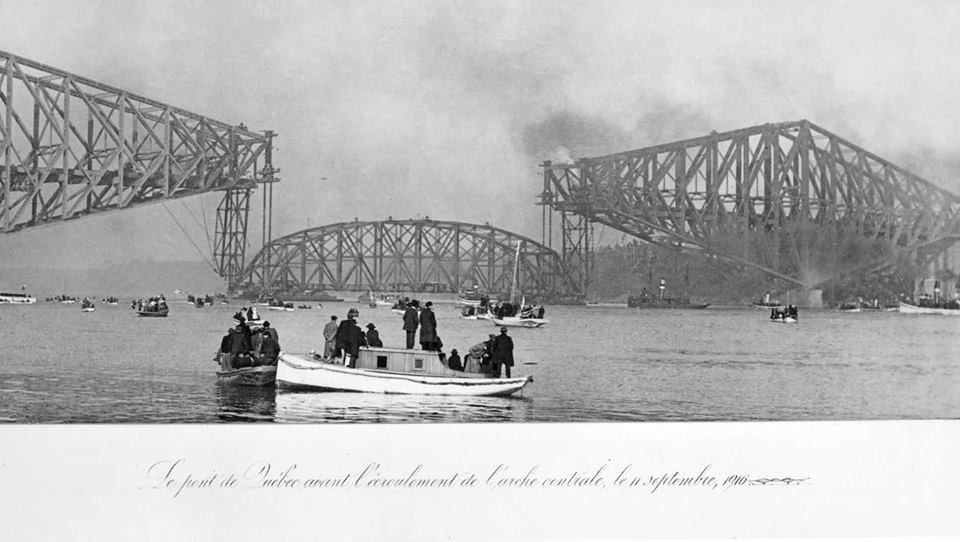
But instead of standing triumphantly, the structure twisted and collapsed in a huge crash. This time, 13 people died and 14 were injured. A manufacturing defect was the cause of this second accident.
Despite these hardships, the Québec Bridge was finally completed in 1917, becoming the world’s longest cantilever bridge.
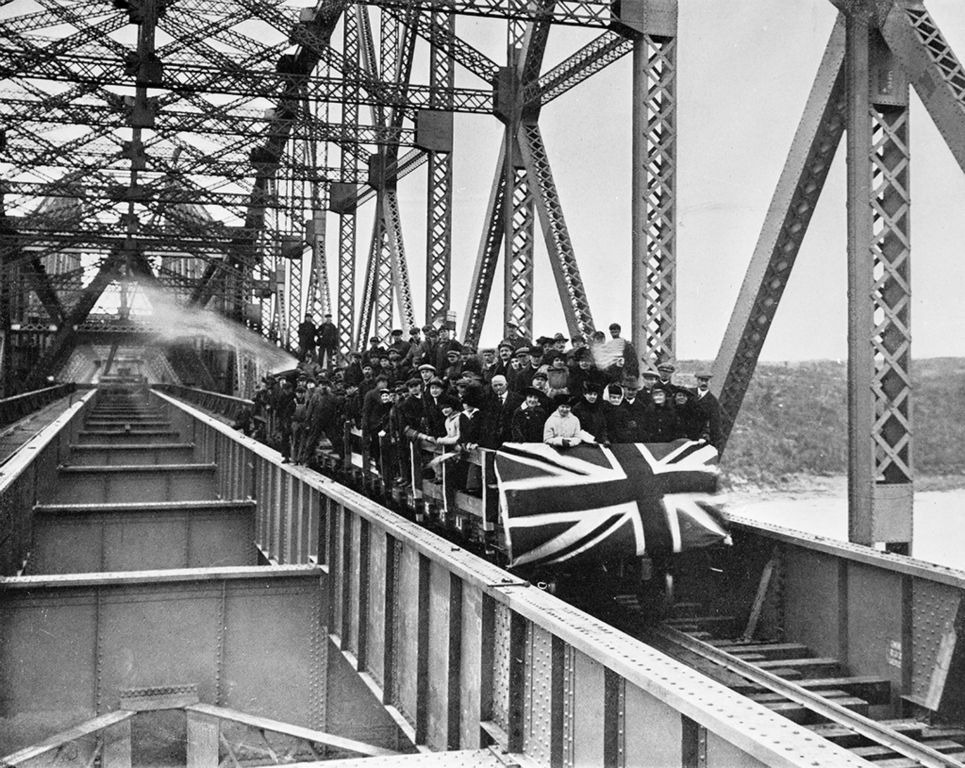
Two roadways were added to the bridge in 1929 to allow cars to use it.
But the amount of traffic travelling between the two shores increased. So, in 1966, construction began on the Pierre-Laporte Bridge. Within the first few months, the site was also struck by tragedy. The Manseau 101 dredge sank, killing 10 workers.
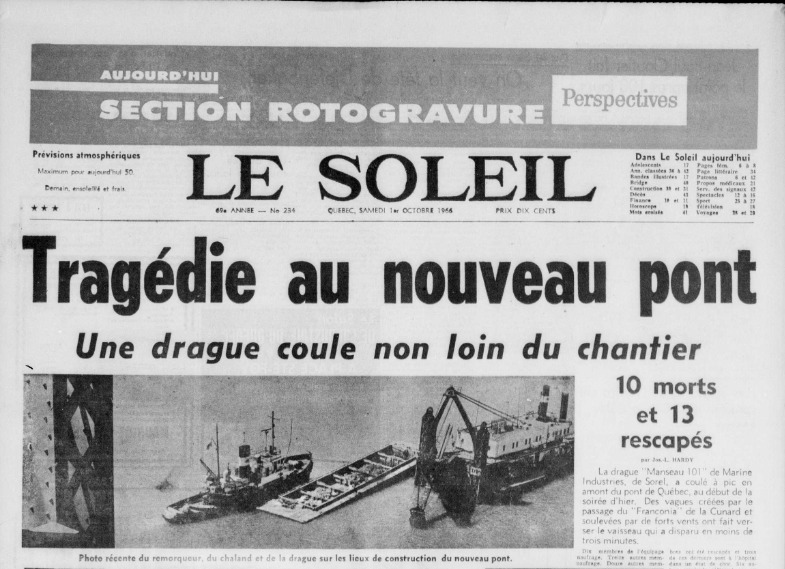
Despite this tragedy, work on the bridge continued.
The bridge was originally going to be called Frontenac, after Louis Buade de Frontenac et de Palluau, a Governor of New France. But less than a month before work was completed, a major political event rocked Quebec. On October 10, 1970, Pierre Laporte, Minister of Labour and Immigration, was kidnapped by the FLQ, a radical separatist group. He was found dead 10 days later.
As a response to this assassination and to show the government’s solidarity with the victim’s family, the Frontenac Bridge was instead named the Pierre-Laporte Bridge. The minister’s widow and children attended the inauguration on November 6, 1970.
Spotlight on history