

Sillery: a window to the past
From the top of its promontory, the Saint-Michel-de-Sillery Church reflects the presence of a community whose other buildings are mostly not visible from the Observatory. Although closely linked to the history of Québec City, Sillery’s history goes back much farther than the development of the city’s other western neighbourhoods.
French Jesuits settled in Sillery as early as 1637. They created the Saint-Joseph Mission there to evangelize Indigenous people. For many years, the site was home to various Indigenous Peoples, including the Innu and Hurons-Wendat. The first chapel, dedicated to Saint Michael, was built at the foot of Puiseaux Point, below the present-day Saint-Michel-de-Sillery Church.
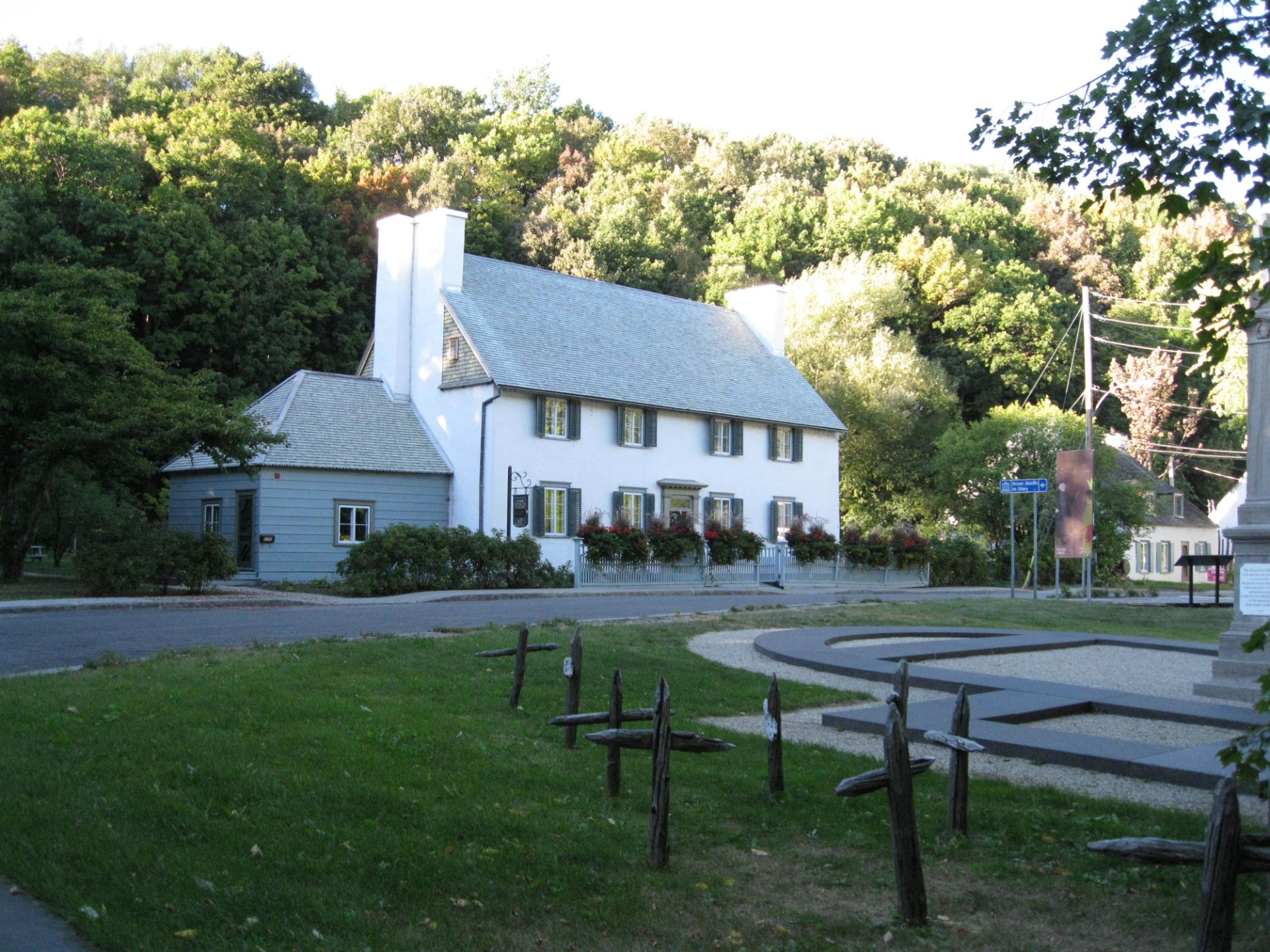
In 1651, the Jesuits began to develop the seigniory of Sillery, granted to Indigenous converts. The first Sillery villa was built some 80 years later. It went through several owners, who enlarged and renamed it a few times before it became the Westfield Villa, which was destroyed by fire in 1867. The Redemptorist Fathers later acquired the property to establish St. Patrick’s Cemetery.
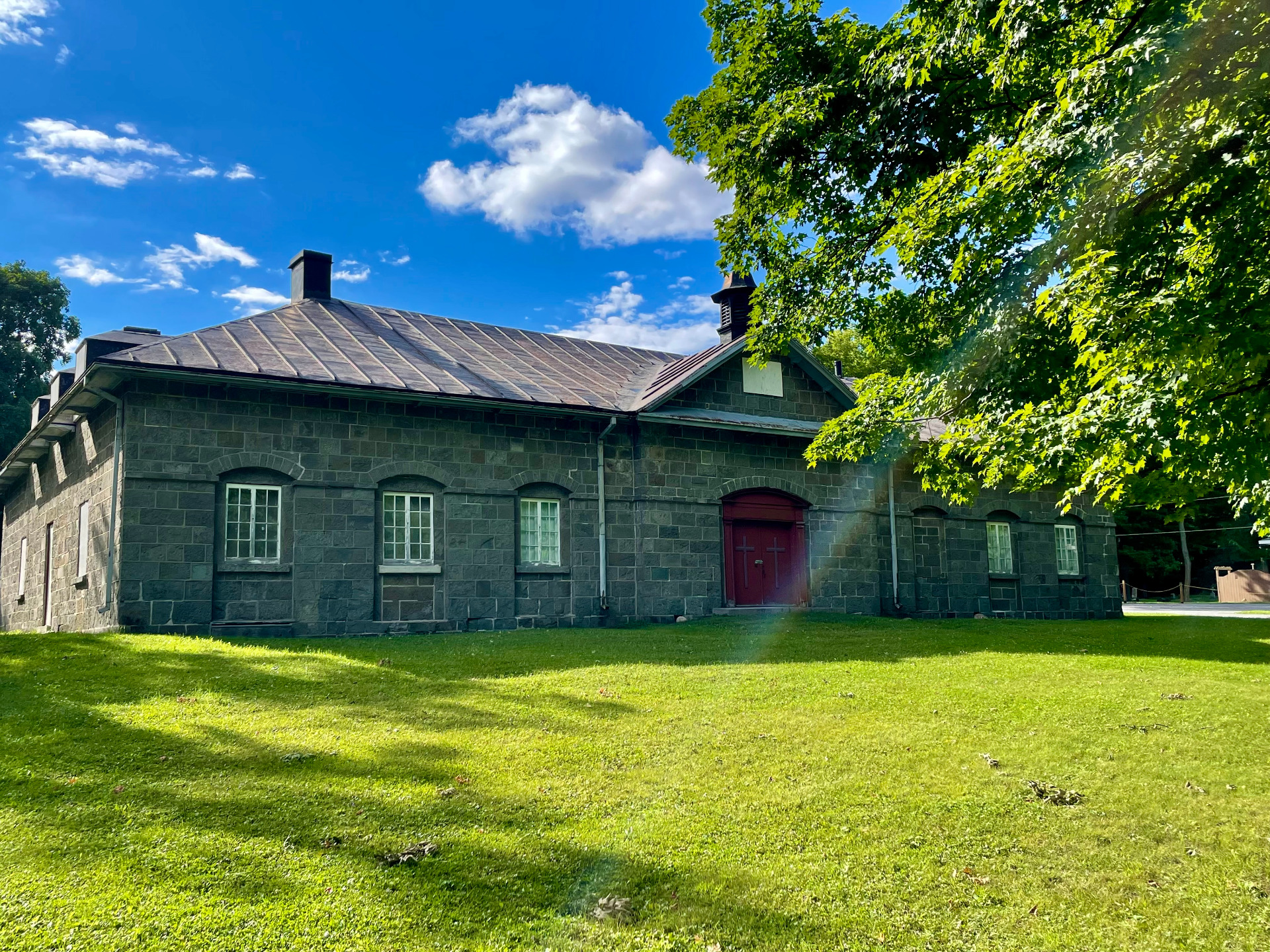
Sillery underwent a major economic boom in the 19th century thanks to Anse au Foulon (formerly called Wolfe’s Cove), where the timber trade and shipbuilding were in full swing. Large estates and burgher homes stood alongside pockets of working-class dwellings, showing the neighbourhood’s social diversity.
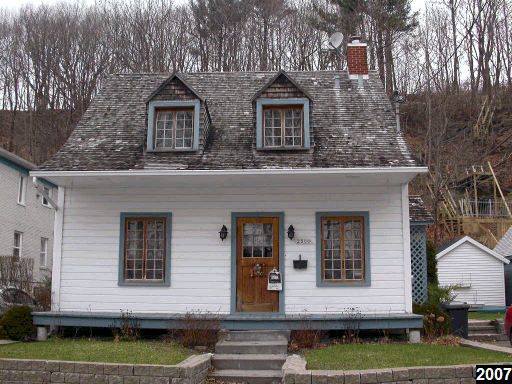
Domaine Cataraqui, built in 1831, is an important reminder of this era. It’s named after the hometown of its first owner, lumber merchant James Bell Forsyth. Kingston, Ontario, was originally the site of Fort Frontenac, erected on land called “Katarokwen” by the Haudenosaunee (Iroquois). The word means “where the river and the lakes meet,” referring to the region’s geography.
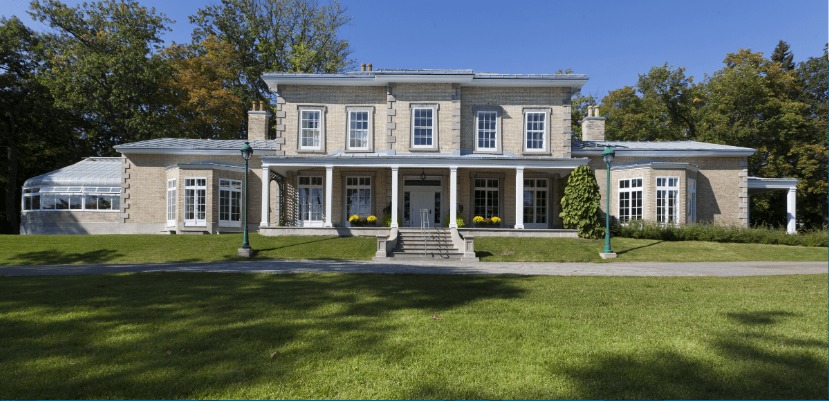
In 1856, Sillery became an independent city, separate from Québec City. However, it rejoined the city amidst the municipal mergers of 2001. Despite the urban transformations of the 20th century, Sillery has preserved its unique charm and rich heritage. Ancestral houses, opulent homes and vestiges of the industrial past stand alongside green spaces and modern institutions, making Sillery a neighbourhood that’s both vibrant and steeped in history.
Spotlight on history