

Locations
Learn more about various relevant and essential locations as well as the captivating stories involving them
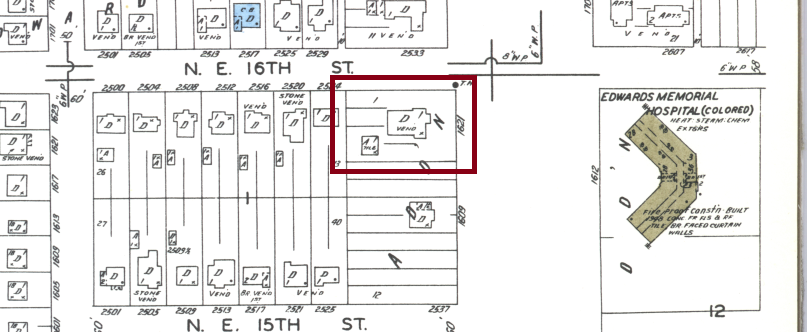
1621 NE Grand Boulevard
Historic Address | Family & Community Site

About
1621 NE Grand Boulevard is associated with the Johnson family’s community and residential history.
1612 NE Grand Boulevard, is across the street and the address for the Edwards Memorial Hospital associated with the Johnson family's history.
Significance
Addresses like this help ground oral histories in physical space, allowing for mapping of lived experiences across the city.
Connected Stories
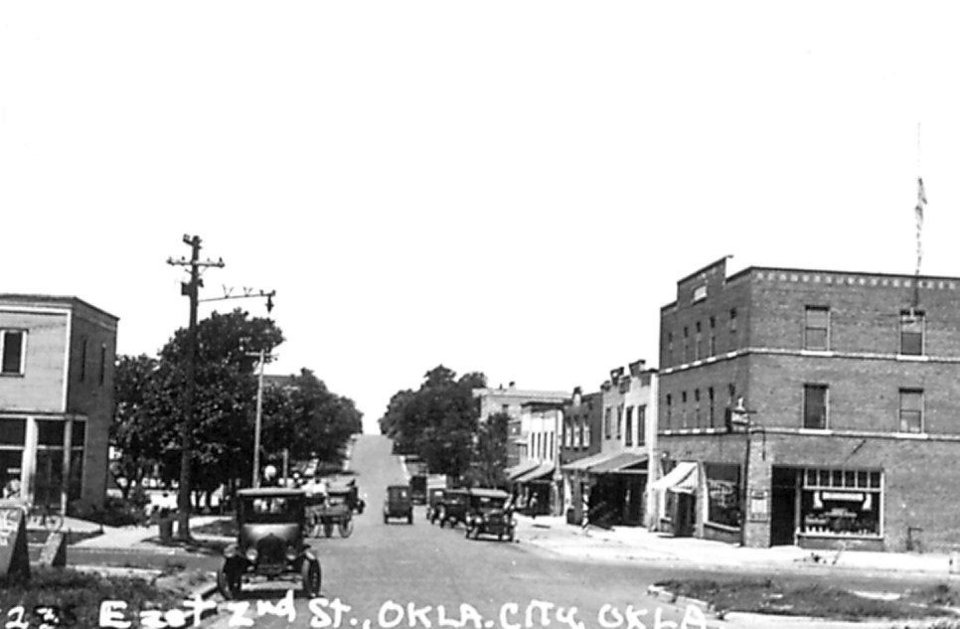
216 NE 2nd Street
Historic Housing Site | Early Residential Pattern
About
216 NE 2nd Street represents earlier forms of dense housing in the city.
Significance
This site reflects pre-development living conditions and contrasts with later efforts like Edwards Edition, illustrating the evolution of Black housing in Oklahoma City.
Connected Stories
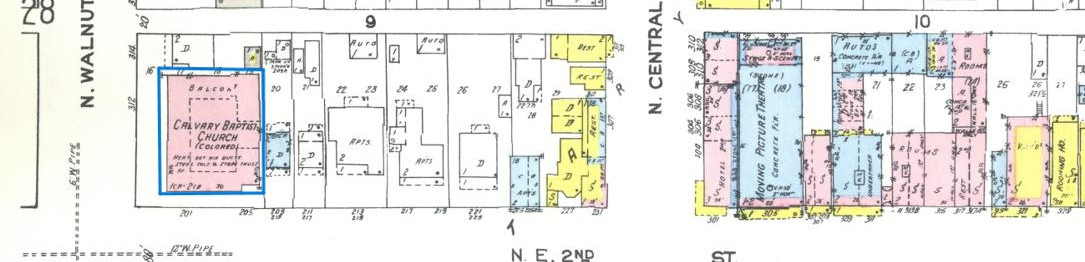
Calvary Baptist Church
Faith Institution | Community Leadership Hub
About
Calvary Baptist Church has long served as a center for spiritual life and civic organization within Oklahoma City’s Black community.
Significance
Churches like Calvary played dual roles as places of worship and organizing spaces for civil rights activity, education, and community support networks.
Connected Stories
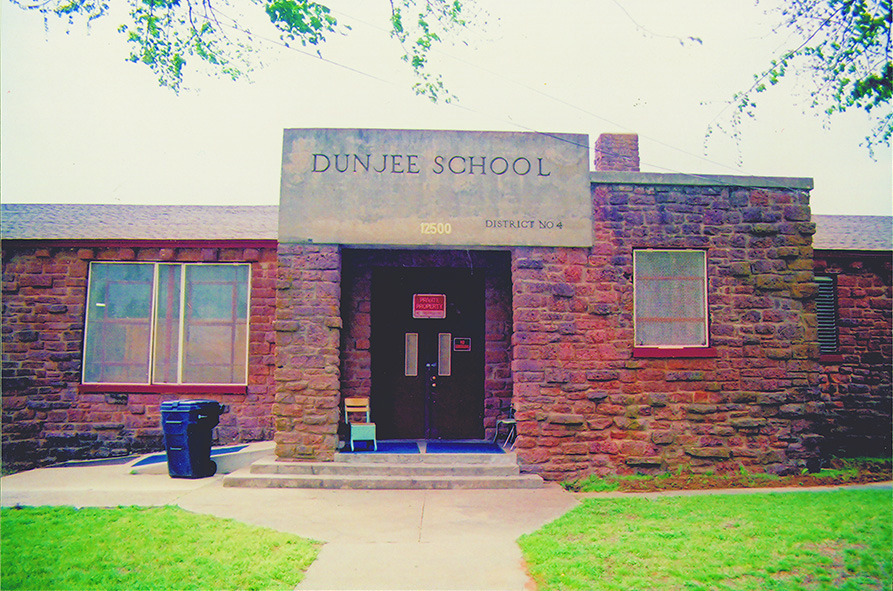
Dunjee High School
Educational Institution | Civil Rights Incubator
About
Dunjee High School served Black students in Spencer, Oklahoma, and functioned as both an academic institution and a training ground for civic leadership.
Significance
Under the leadership of educators like Clara Luper, Dunjee became a launching point for student activism, including participation in the Oklahoma City Sit-Ins.
The school later closed following the Oklahoma City school integration Finger Plan, marking a major transition in Black educational institutions.
Connected Stories
Edwards Edition / Edwards Heights
Residential Development | Black Homeownership Initiative
About
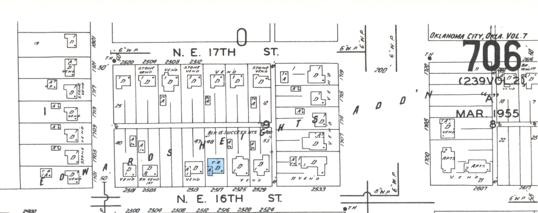
Edwards Edition (also known as Edwards Heights) was a residential subdivision in Northeast Oklahoma City developed by Black entrepreneurs, north of NE 16th Street to NE Success Street.
Significance
Created during segregation, the neighborhood provided high-quality housing opportunities for Black families who were excluded from other areas due to discriminatory housing practices.
Connected Stories
Edwards Memorial Hospital

About
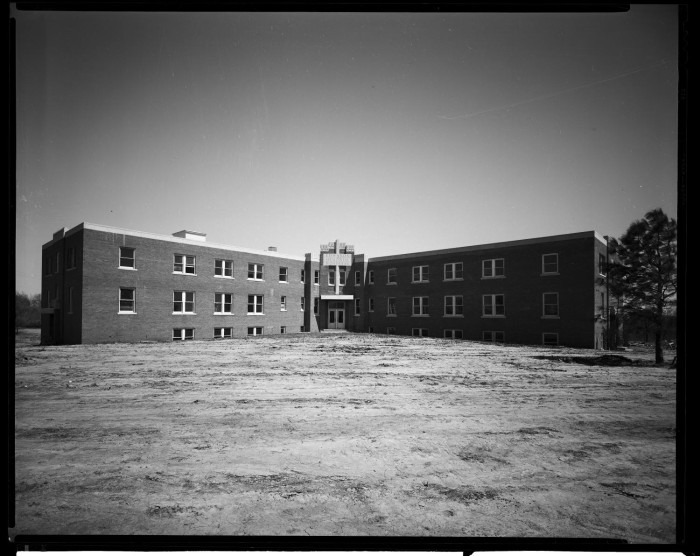
Edwards Memorial Hospital was a historically significant hospital for African-American patients in Northeast Oklahoma City. Founded by prominent Black entrepreneurs Walter and Frances Edwards, it provided crucial medical care during an era of deep segregation.
Mr. Edwards built the hospital because his wife was denied access to a hospital or was relegated to a basement wing and he was resolute that he was going to provide for her the health care she deserved
Significance
Addressed a severe need for quality Black healthcare facilities, as existing hospitals often relegated minority patients to inadequate basement wards.
The hospital and the aforementioned Edwards’ housing additions laid the foundation for the development of Northeast Oklahoma City.
Connected Stories
5th Street Baptist Church
Founding Church | Family & Community Anchor
About
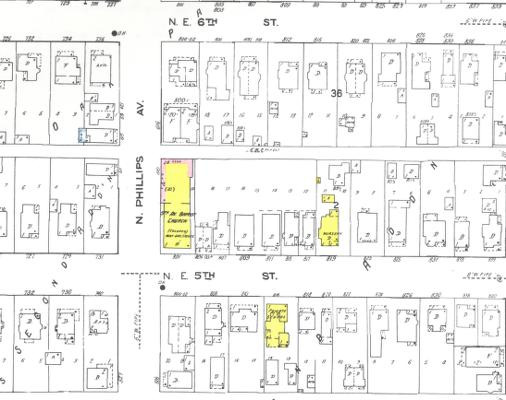
5th Street Baptist Church was a central institution in Northeast Oklahoma City, with deep ties to founding families and neighborhood life.
Significance
As both a religious and social center, the church fostered inter-generational relationships, youth development, and community cohesion. It also reflects the role of Black churches in sustaining neighborhoods during segregation.
Connected Stories
Frederick A. Douglass High School
Educational Institution | Cultural Anchor
-qe1snu5.png?alt=media&token=deb75692-aed7-4a62-98cb-9e234ad0c4be)
About
Frederick A. Douglass High School is one of the most historically significant Black educational institutions in Oklahoma City. This is the 1954 location at then N. Eastern, now MLK Blvd. There were four (4) previous locations including 600 N. High, now known as Page Woodson.
Significance
Douglass High School cultivated generations of leaders, educators, and activists. It also served as a site of student activism, including participation in events like the Oklahoma City Sanitation Strike.
Connected Stories
Langston University
Higher Education Institution | Historically Black College
About
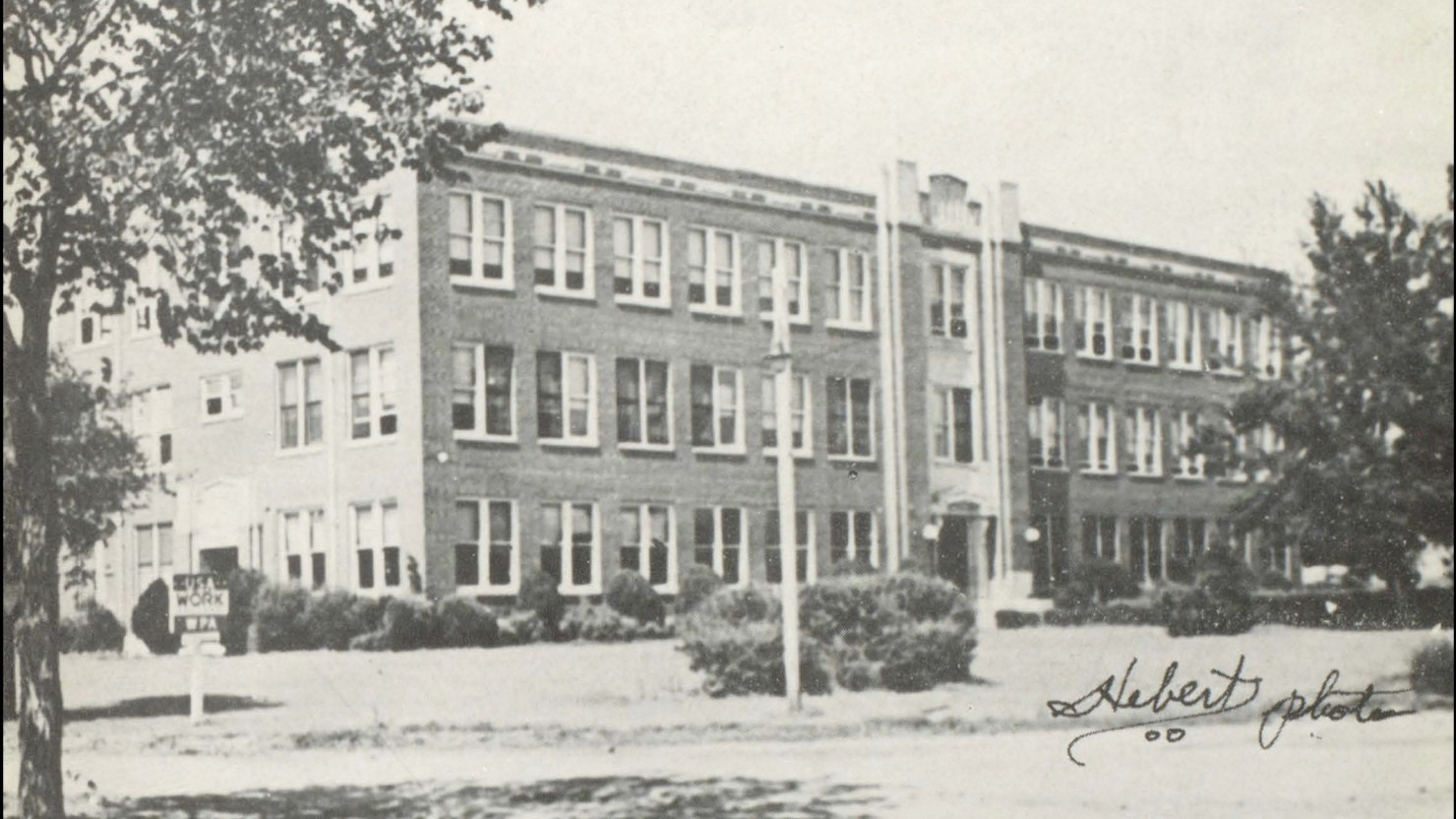
Langston University is Oklahoma’s only historically Black college and university (HBCU), long recognized for developing educators, leaders, and professionals.
Significance
For many Black Oklahomans, Langston served as a critical pathway into professional careers during segregation and beyond, especially in education and public service.
Connected Stories
NE High School & Star Spencer High School
Educational Institutions | Desegregation Transition Sites
About
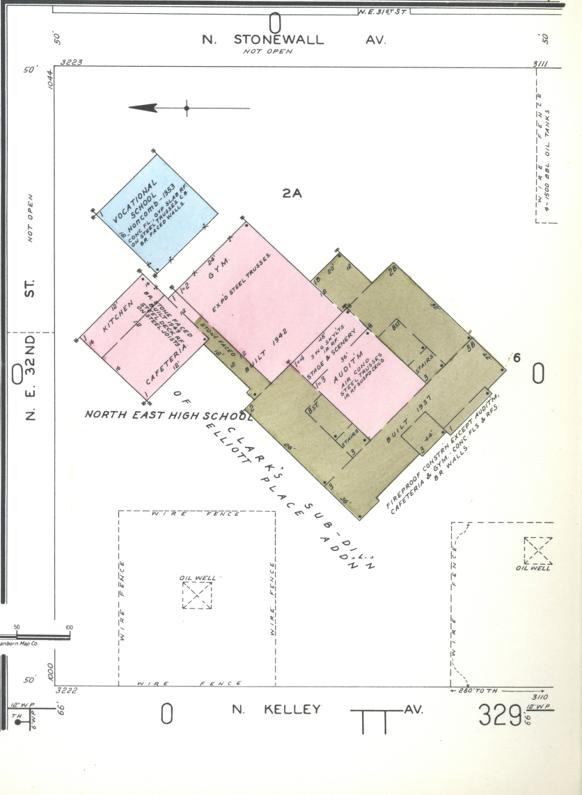
Northeast High School (pictured above) and Star Spencer High School (un-pictured) became reassignment schools during Oklahoma City’s desegregation era.
Significance
Following the implementation of the Oklahoma City school integration Finger Plan, Black students were bused to new schools where they often faced hostility, isolation, and cultural displacement. These sites represent the emotional and social cost of integration policies.
Connected Stories
Oklahoma State University
Higher Education Institution | Site of Student Protest
About
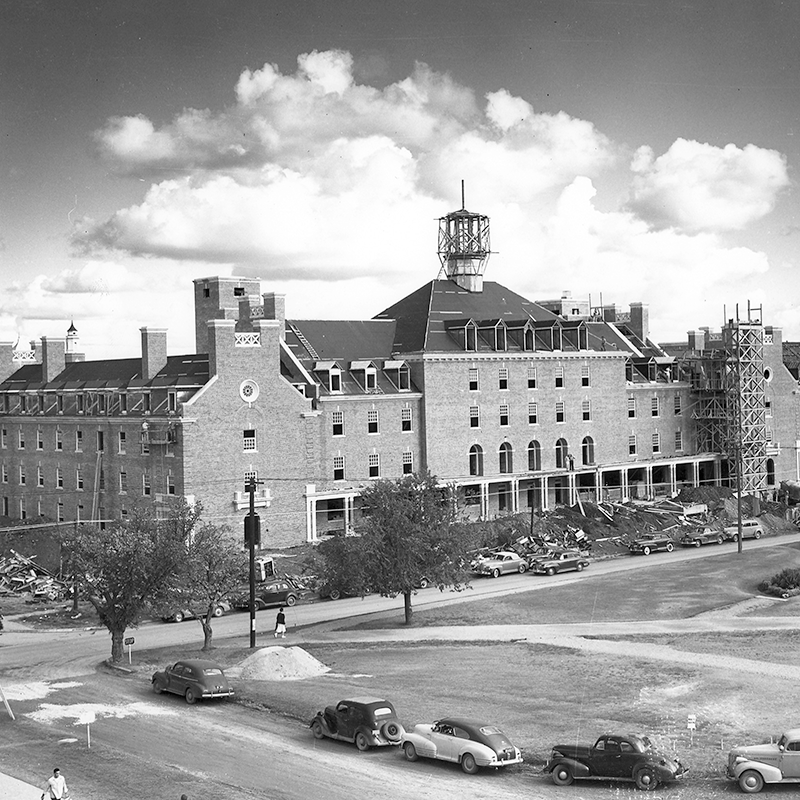
Oklahoma State University is a public university where Black students experienced both opportunity and racial tension during integration.
Significance
For students like Melva Franklin, OSU became a site of political awakening, including student organizing and protest in response to racial violence and discrimination.
Connected Stories
Booker T. Washington Park
Public Space | Social & Recreational Hub
About
Booker T. Washington Park served as a major gathering place for Northeast Oklahoma City residents and is now a public space and social recreational hub.
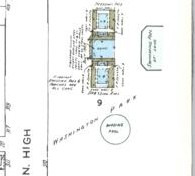
Originally part of the 600 N. High Douglass Jr./Sr. High School Campus, it was land donated by WB Skirvin for the Douglass Stadium. Supreme Court Justice Thurgood Marshall, first African American to serve on the US Supreme Court, gave the first commencement address in the new stadium.
The above image is believed to illustrate the stadium and stadium seating originally located within the park.
Significance
The park functioned as a shared social space where families gathered, children played, and community bonds were strengthened—especially during segregation when access to public amenities was limited elsewhere.
Connected Stories